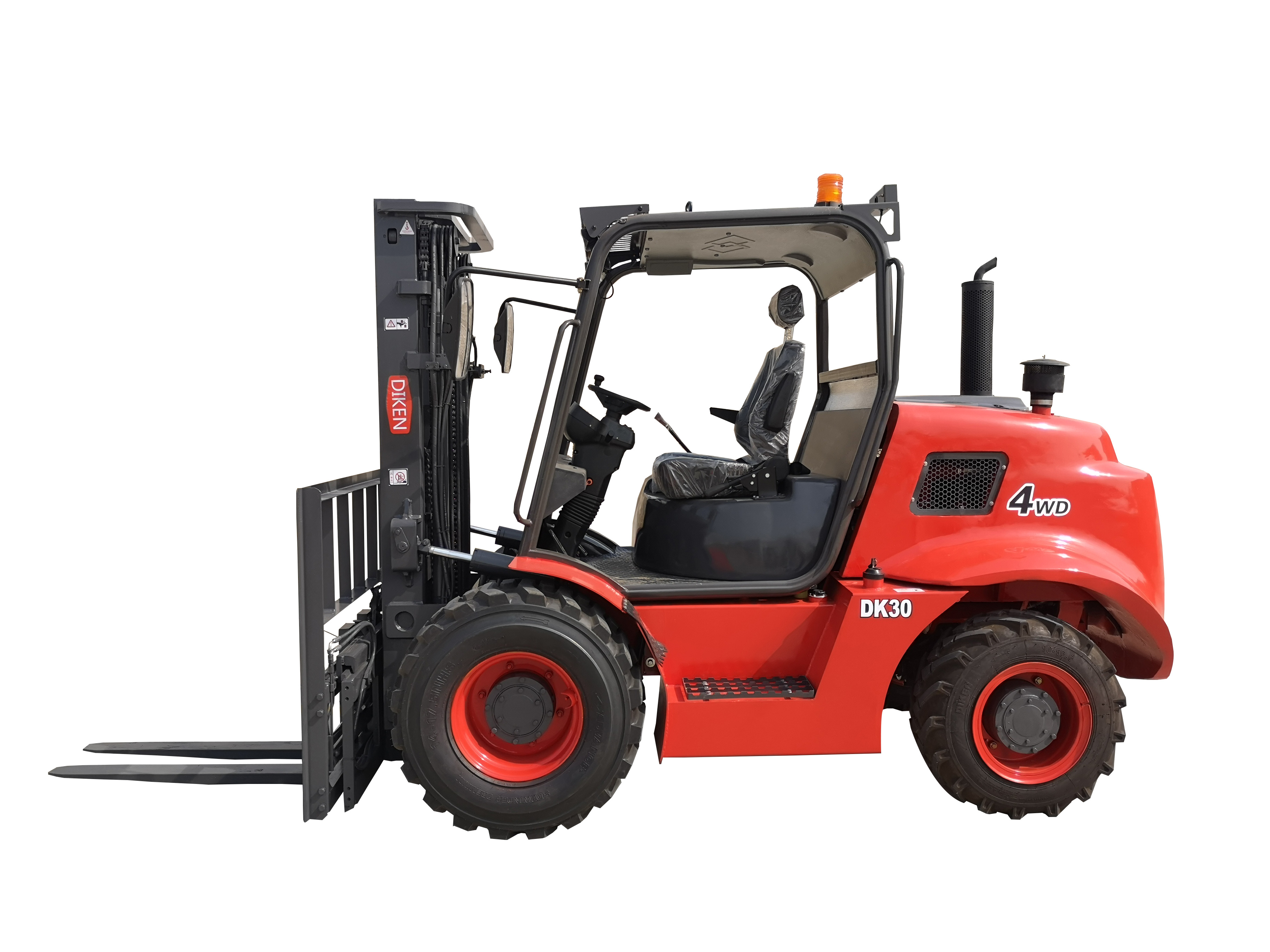
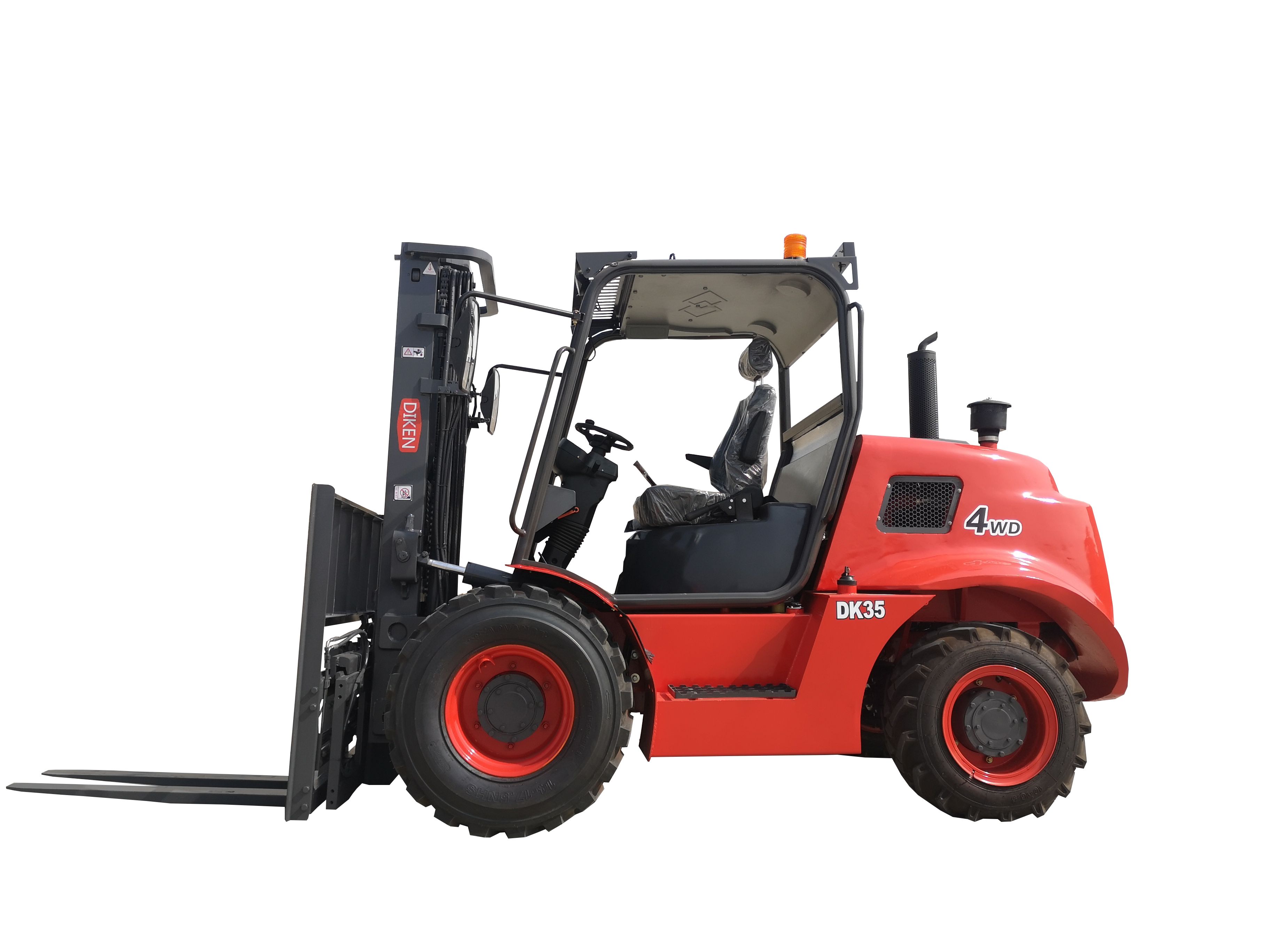
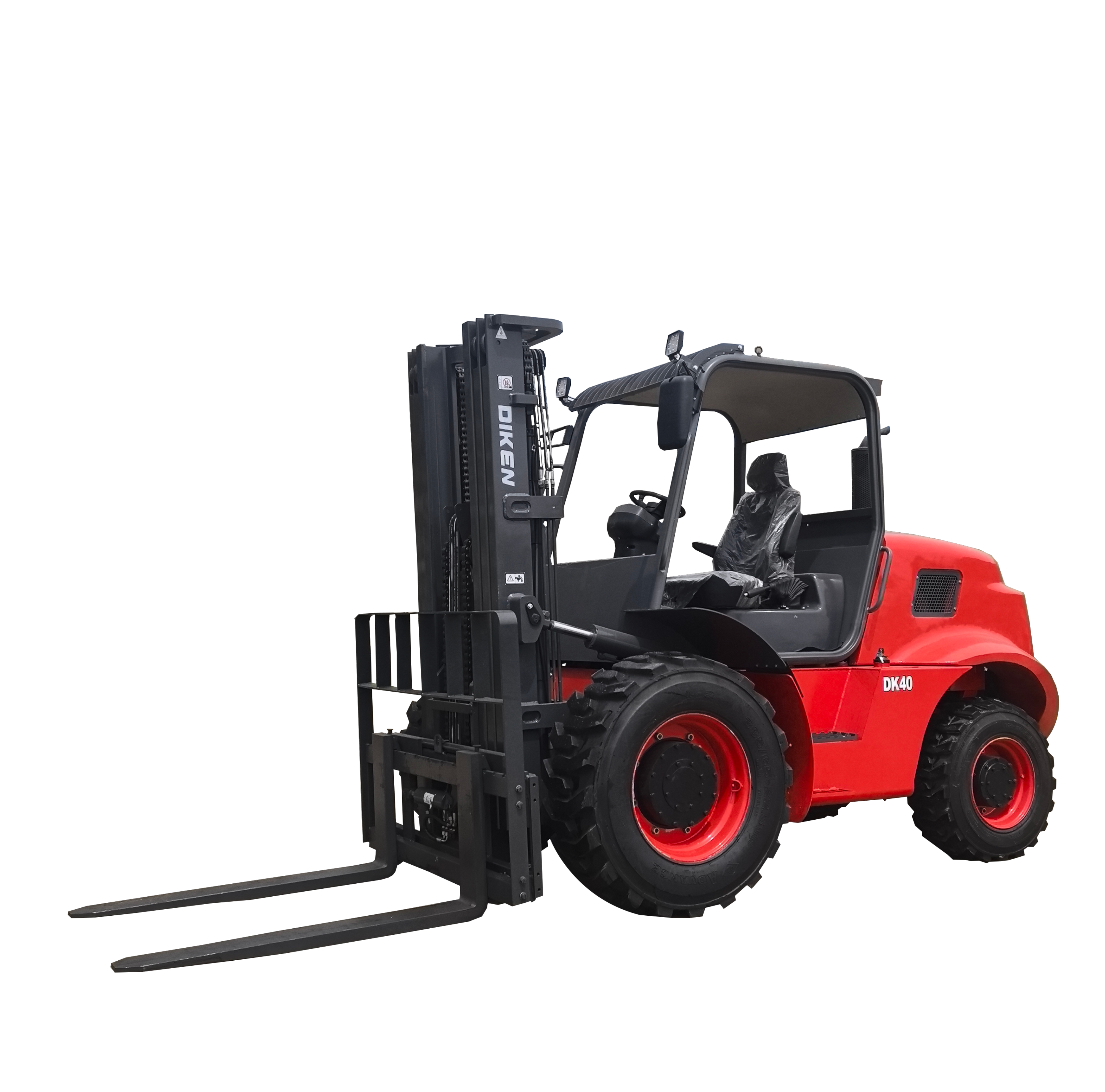
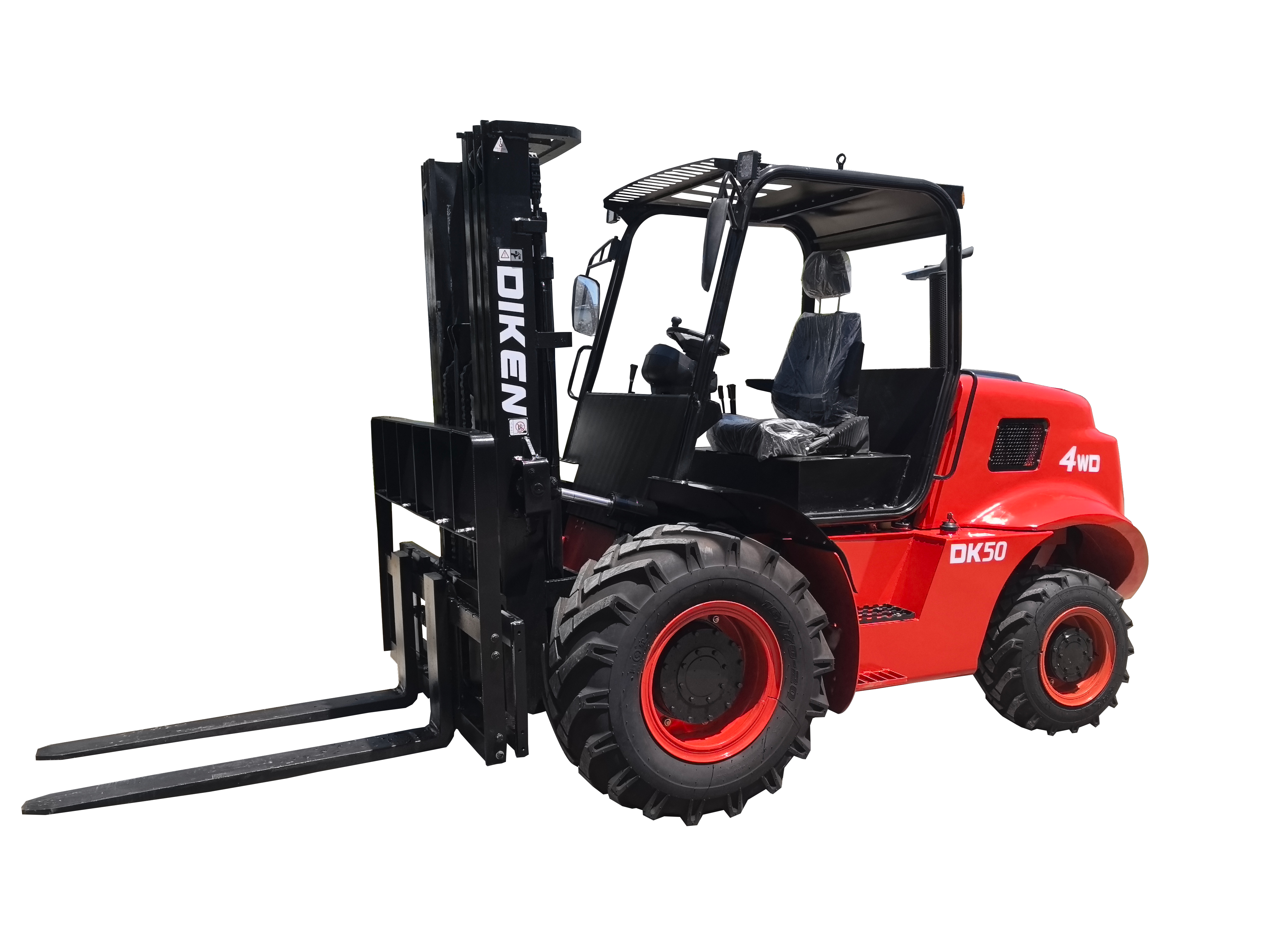
Telescopic front loader is a multifunctional construction and material handling machine designed to lift, carry, and place loads at extended heights and forward reach. Unlike conventional front loaders, it is equipped with a telescoping boom that allows operators to handle materials over obstacles and reach elevated work areas with precision. This makes telescopic front loaders especially suitable for construction sites, agricultural operations, industrial yards, and logistics centers where space, height, and efficiency are critical factors.
Telescopic front loaders support a wide range of attachments, including forks, buckets, grabs, and lifting hooks, enabling one machine to perform multiple tasks such as loading trucks, stacking pallets, handling bulk materials, and assisting with maintenance work at height. Modern models feature powerful engines, advanced hydraulic systems, and reinforced frames to ensure reliable lifting performance and stability under heavy loads. Operator safety and comfort are enhanced through ergonomic cabins, intuitive controls, clear visibility, and integrated safety systems. By combining the strength of a front loader with the reach of a telescopic boom, telescopic front loaders significantly improve productivity, reduce labor intensity, and offer a flexible solution for demanding material handling operations.
A telescopic front loader is a multifunctional material handling machine designed to combine the lifting strength of a traditional front loader with the extended reach of a telescopic boom. It is widely used in construction, agriculture, industrial yards, ports, and logistics centers where materials must be lifted, carried, and positioned at varying heights and distances. This combination of power and reach allows the telescopic front loader to perform tasks that conventional loaders and forklifts cannot handle efficiently.
The key feature of a telescopic front loader is its extendable boom, which enables operators to place loads over obstacles, reach elevated work areas, and handle materials with greater precision. This makes it ideal for loading and unloading trucks, stacking pallets, handling bulk materials, and placing construction components at height. With the ability to support a wide range of attachments such as buckets, pallet forks, grapples, lifting hooks, and work platforms, a single telescopic front loader can replace several machines on a job site, improving flexibility and reducing equipment costs.
Modern telescopic front loaders are equipped with powerful engines and advanced hydraulic systems that provide smooth, responsive control and strong lifting performance. Reinforced frames, heavy-duty axles, and stable chassis designs ensure safe operation even when handling heavy loads at extended reach. Many models also feature four-wheel drive and multiple steering modes, allowing excellent maneuverability on uneven terrain, muddy surfaces, and confined work spaces.
Operator comfort and safety are essential aspects of telescopic front loader design. Enclosed cabins protect operators from dust, noise, and harsh weather, while ergonomic controls, adjustable seating, and wide visibility help reduce fatigue and improve productivity. Safety systems such as load monitoring, overload protection, stability control, and emergency stop functions further enhance operational safety, especially during high-reach lifting tasks.
From an economic and operational perspective, telescopic front loaders offer significant advantages. Their versatility reduces the need for multiple specialized machines, lowering fuel consumption, maintenance costs, and labor requirements. Faster and more precise material handling shortens project timelines and improves overall efficiency. As construction and industrial projects continue to demand flexible, reliable, and high-performance equipment, telescopic front loaders remain an essential solution for modern material handling and lifting operations.