




Diken news
A Comprehensive Guide to Operating a 3 Ton Rough Terrain Forklift in Agriculture
Release time: 2025-12-01
A Comprehensive Guide to Operating a 3 Ton Rough Terrain Forklift in Agriculture
Table of Contents
- 1. Introduction to Rough Terrain Forklifts in Agriculture
- 2. Understanding 3 Ton Rough Terrain Forklifts
- 3. Benefits of Using a 3 Ton Rough Terrain Forklift
- 4. Operating Safety Guidelines
- 5. Training Requirements for Operators
- 6. Maintenance Tips for Longevity
- 7. Troubleshooting Common Issues
- 8. Conclusion
- 9. Frequently Asked Questions
1. Introduction to Rough Terrain Forklifts in Agriculture
In the fast-paced world of agriculture, efficiency and precision are paramount. **3-ton rough terrain forklifts** have emerged as indispensable tools for farmers and agricultural businesses. These heavy-duty machines enable the movement of crops, equipment, and materials across uneven landscapes, facilitating seamless operations. This comprehensive guide will delve into the essential aspects of operating a 3-ton rough terrain forklift within agricultural settings, ensuring that both new and experienced operators can navigate the complexities of these powerful machines effectively.
2. Understanding 3 Ton Rough Terrain Forklifts
2.1 Specifications of 3 Ton Rough Terrain Forklifts
Understanding the specifications of **3-ton rough terrain forklifts** is crucial for any operator. These forklifts typically feature:
- **Load Capacity**: As the name suggests, they can lift loads up to 3 tons with ease.
- **Engine Type**: Many units are equipped with diesel engines that provide robust power for challenging environments.
- **Wheel Type**: These forklifts come with large, rugged tires designed to handle rough terrain, providing excellent traction.
- **Lift Height and Reach**: Most models offer varying lift heights, often exceeding 10 feet, allowing operators to reach high stacks of materials.
2.2 Applications in Agricultural Settings
**3-ton rough terrain forklifts** are versatile and can be employed in a wide range of agricultural tasks, including:
- **Material Handling**: Ideal for transporting hay bales, pallets of seeds, and fertilizer bags.
- **Loading and Unloading**: Efficiently load trucks with produce or soil.
- **Site Preparation**: Aid in organizing equipment or materials around farms or construction sites.
3. Benefits of Using a 3 Ton Rough Terrain Forklift
Investing in a **3-ton rough terrain forklift** brings numerous benefits to agricultural operations:
- **Increased Efficiency**: With their powerful engines and high lifting capacities, these forklifts significantly reduce the time needed to move heavy loads.
- **Enhanced Safety**: Providing operators with improved visibility and stability on uneven ground minimizes the risk of accidents.
- **Versatility**: Suitable for various tasks, allowing farmers to use one machine for multiple purposes, saving both time and money.
4. Operating Safety Guidelines
Ensuring safety during the operation of **3-ton rough terrain forklifts** is non-negotiable. Implementing effective safety protocols protects operators and enhances overall productivity.
4.1 Pre-Operation Safety Checks
Before operating the forklift, conduct a thorough pre-operation check, which should include:
- **Fluid Levels**: Check engine oil, hydraulic fluid, and coolant levels.
- **Tires**: Inspect for proper inflation and any signs of wear or damage.
- **Operational Controls**: Test all controls to ensure they function correctly.
4.2 Operational Safety Tips
While operating the forklift, keep the following tips in mind:
- **Maintain Clear Visibility**: Always ensure a clear line of sight to the load and the path ahead.
- **Travel at Safe Speeds**: Adhere to speed limits, especially on uneven terrain.
- **Avoid Overloading**: Stay within the specified load capacity to prevent tipping.
5. Training Requirements for Operators
Proper training is essential for all operators of **3-ton rough terrain forklifts**. Training should cover:
- **Operational Techniques**: Comprehensive training on how to use controls and navigate rough terrains.
- **Safety Regulations**: Understanding agricultural safety standards and regulations in your area.
- **Emergency Procedures**: Knowledge of how to respond in case of an emergency or malfunction.
6. Maintenance Tips for Longevity
Regular maintenance is key to ensuring the longevity and reliability of **3-ton rough terrain forklifts**. Important maintenance practices include:
- **Routine Inspections**: Regularly check for wear and tear on components, including brakes, tires, and hydraulic systems.
- **Scheduled Servicing**: Adhere to manufacturer-recommended service intervals for oil changes and other critical maintenance tasks.
- **Cleaning**: Keep the machine clean from dirt and debris to prevent damage and maintain optimal performance.
7. Troubleshooting Common Issues
Even with proper maintenance, issues may arise during operation. Common problems and their solutions include:
- **Engine Not Starting**: Check battery connections and fuel levels. If issues persist, consult a technician.
- **Hydraulic Problems**: If the lift is not functioning smoothly, inspect hydraulic fluid levels and look for leaks in hoses.
- **Tire Issues**: If the forklift is unstable, inspect the tires for proper inflation and any signs of damage.
8. Conclusion
Operating a **3-ton rough terrain forklift** in agriculture can significantly enhance operational efficiency when done correctly. Understanding the specifications, applications, safety guidelines, and maintenance tips ensures that operators can maximize the potential of these machines while minimizing risks. With proper training and adherence to safety protocols, the benefits of using a rough terrain forklift far outweigh the challenges, making it an invaluable asset in any agricultural setting.
9. Frequently Asked Questions
1. What is the average cost of a 3-ton rough terrain forklift?
The average cost can vary widely based on brand, features, and condition, ranging from $25,000 to $60,000.
2. Can a rough terrain forklift operate in wet conditions?
Yes, 3-ton rough terrain forklifts are designed for various conditions, but caution is advised, as wet surfaces can make operation slippery.
3. How do I choose the right forklift for my agricultural needs?
Consider load capacity, lift height, terrain type, and specific tasks you need the forklift for.
4. What is the fuel efficiency of a 3-ton rough terrain forklift?
Fuel efficiency varies by model and usage but typically ranges from 4 to 6 gallons per hour under load.
5. How often should I service my rough terrain forklift?
Routine maintenance should be performed according to the manufacturer’s schedule, usually every 250 hours of operation or every three months, whichever comes first.
This comprehensive guide serves as your resource for understanding the operational intricacies of a 3-ton rough terrain forklift in agriculture. With the right knowledge, training, and safety protocols, you can ensure that your agricultural operations run smoothly and efficiently.
Keywords: 3 ton rough terrain forklift
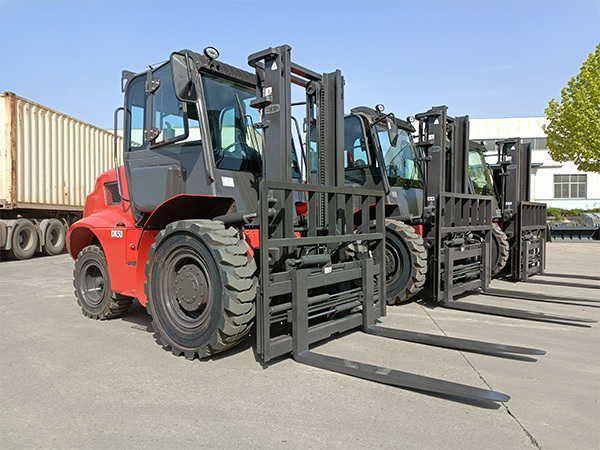



Shandong Diken Heavy Industry Co., Ltd. is a professional manufacturer of cross-country material handling equipment in China. We are located in Shandong Province, China, specializing in the manufacture of handling and loading equipment suitable for agriculture
Contact Information
Starting from the west section of Taishan Street, Daiyue District, Tai'an City, Shandong Province
Business license