




Diken news
Exploring the Cost-Effectiveness of 2.5 Ton Rough Terrain Forklifts: A Comprehensive Guide
Release time: 2026-04-24
Exploring the Cost-Effectiveness of 2.5 Ton Rough Terrain Forklifts
Table of Contents
1. Introduction to Rough Terrain Forklifts
2. Understanding the 2.5 Ton Capacity
3. Advantages of Using Rough Terrain Forklifts
4. Cost-Effectiveness Analysis
4.1 Initial Purchase Cost
4.2 Operating Costs
4.3 Maintenance Expenses
4.4 Resale Value
5. Key Features to Consider
5.1 Engine Power and Fuel Efficiency
5.2 Lifting Capacity and Reach
5.3 Durability and Build Quality
6. Comparing 2.5 Ton Rough Terrain Forklifts to Other Models
7. Practical Applications in Agriculture and Construction
8. Frequently Asked Questions (FAQs)
9. Conclusion
1. Introduction to Rough Terrain Forklifts
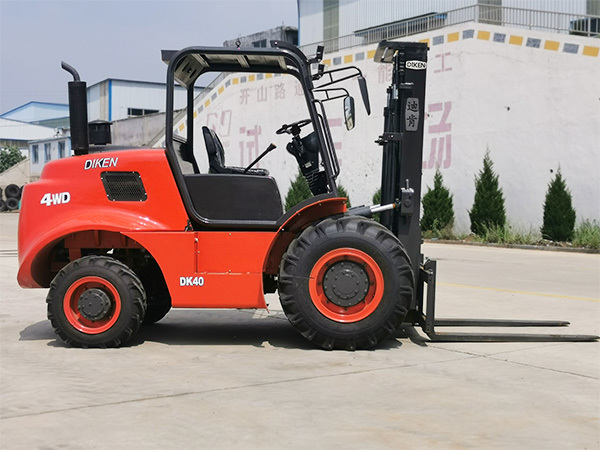
Rough terrain forklifts play a critical role in various industries, especially in agriculture and construction, where maneuverability and lifting capabilities are essential. These machines are specifically designed to work on uneven surfaces, making them ideal for outdoor jobsites. In this article, we will explore the cost-effectiveness of 2.5-ton rough terrain forklifts, evaluating their benefits and how they can be a valuable investment for businesses looking to improve efficiency.
2. Understanding the 2.5 Ton Capacity
The 2.5-ton capacity refers to the maximum weight that a forklift can lift. This size is particularly advantageous for businesses that require both power and agility. Unlike heavier models, 2.5-ton forklifts are easier to maneuver in tight spaces, providing flexibility in various settings. This section will delve into how this capacity meets the demands of different operations and why it may be the perfect fit for your business.
3. Advantages of Using Rough Terrain Forklifts
Utilizing rough terrain forklifts comes with numerous advantages. These include:
- **Versatility**: Ideal for construction sites, farms, and uneven terrain.
- **All-Terrain Capability**: Designed to handle mud, gravel, and hills.
- **Improved Productivity**: Capable of moving materials quickly and efficiently.
- **Operator Comfort**: Ergonomically designed cabs enhance driver comfort during long hours of operation.
Businesses find that these advantages translate to increased productivity and decreased downtime, making rough terrain forklifts a smart choice for many operations.
4. Cost-Effectiveness Analysis
When evaluating the cost-effectiveness of 2.5-ton rough terrain forklifts, it is crucial to consider various financial factors.
4.1 Initial Purchase Cost
The initial investment for a 2.5-ton rough terrain forklift typically ranges from $25,000 to $50,000, depending on the brand, model, and features. While this may seem significant, the durability and efficiency of these machines often justify the expense.
4.2 Operating Costs
Operating costs include fuel, insurance, and labor. Rough terrain forklifts are usually equipped with fuel-efficient engines, which can lead to lower operational expenses. Businesses should also consider the potential savings from reduced labor costs due to increased efficiency.
4.3 Maintenance Expenses
Regular maintenance is essential for keeping forklifts in optimal condition. The maintenance costs for rough terrain forklifts are generally lower compared to other heavy machinery due to their robust designs. Investing in regular servicing can prevent costly repairs down the line.
4.4 Resale Value
The resale value of 2.5-ton rough terrain forklifts is another important consideration. These machines tend to retain their value well, which can significantly offset the initial purchase cost when it comes time to upgrade.
5. Key Features to Consider
When selecting a 2.5-ton rough terrain forklift, understanding its key features can help in making an informed decision.
5.1 Engine Power and Fuel Efficiency
Look for forklifts with powerful engines that offer fuel efficiency. This balance is essential for minimizing operational costs while maximizing performance.
5.2 Lifting Capacity and Reach
Evaluate the lifting capacity and reach of the forklift. Ensure it meets the specific needs of your operations, whether it involves stacking pallets or lifting materials to elevated positions.
5.3 Durability and Build Quality
The durability of a forklift is critical, particularly in demanding environments. Choose models built with high-quality materials that can withstand rough handling and harsh conditions.
6. Comparing 2.5 Ton Rough Terrain Forklifts to Other Models
In the marketplace, 2.5-ton rough terrain forklifts often compete with larger and smaller models. This section will highlight how they stack up against alternatives in terms of cost, versatility, and performance.
- **Smaller Models**: While they are cost-effective for light loads, they may not handle heavier materials.
- **Larger Models**: Generally offer greater lifting capacity but can be less maneuverable and more expensive.
This comparison will illustrate why the 2.5-ton option is often the sweet spot for many businesses.
7. Practical Applications in Agriculture and Construction
Rough terrain forklifts are invaluable in both agricultural and construction sectors. In agriculture, they facilitate the movement of heavy loads such as pallets of produce or bags of feed across uneven fields. In construction, these forklifts assist in transporting materials to and from hard-to-reach areas, ensuring project timelines are met.
8. Frequently Asked Questions (FAQs)
What is the average lifespan of a 2.5-ton rough terrain forklift?
With proper maintenance, a 2.5-ton rough terrain forklift can last between 10 to 15 years.
Are 2.5-ton rough terrain forklifts suitable for indoor use?
While they are primarily designed for outdoor use, some models can operate indoors if space permits.
How do I choose the right rough terrain forklift for my needs?
Consider factors such as lifting capacity, engine power, and the specific requirements of your operations.
What maintenance is required for a rough terrain forklift?
Regular checks on oil levels, tire conditions, and hydraulic systems are essential for optimal performance.
Can I rent a 2.5-ton rough terrain forklift instead of buying one?
Yes, many companies offer rentals, allowing you to use a forklift without the long-term commitment of purchasing.
9. Conclusion
Investing in a 2.5-ton rough terrain forklift can significantly enhance productivity and efficiency in both agricultural and construction settings. By thoroughly understanding the cost-effectiveness, benefits, and key features of these machines, businesses can make informed decisions that will lead to tangible improvements in their operations. As the demand for versatile and powerful machinery continues to grow, the 2.5-ton rough terrain forklift stands out as a top choice for those looking to invest in equipment that will deliver long-term value and performance.
Keywords: 2.5 ton rough terrain forklift,2.5 ton rough terrain forklift from China manufacturer



Shandong Diken Heavy Industry Co., Ltd. is a professional manufacturer of cross-country material handling equipment in China. We are located in Shandong Province, China, specializing in the manufacture of handling and loading equipment suitable for agriculture
Contact Information
Starting from the west section of Taishan Street, Daiyue District, Tai'an City, Shandong Province