




Diken news
Exploring the Versatility of Telescopic Rough Terrain Forklifts
Release time: 2026-10-06
Telescopic rough terrain forklifts are specialized machines designed to handle heavy loads in challenging outdoor conditions. Their unique telescopic boom allows operators to lift and extend materials to great heights, making them invaluable in various industries, particularly in construction, agriculture, and logistics. Unlike conventional forklifts, these machines are engineered to traverse uneven surfaces, offering superior stability and maneuverability.
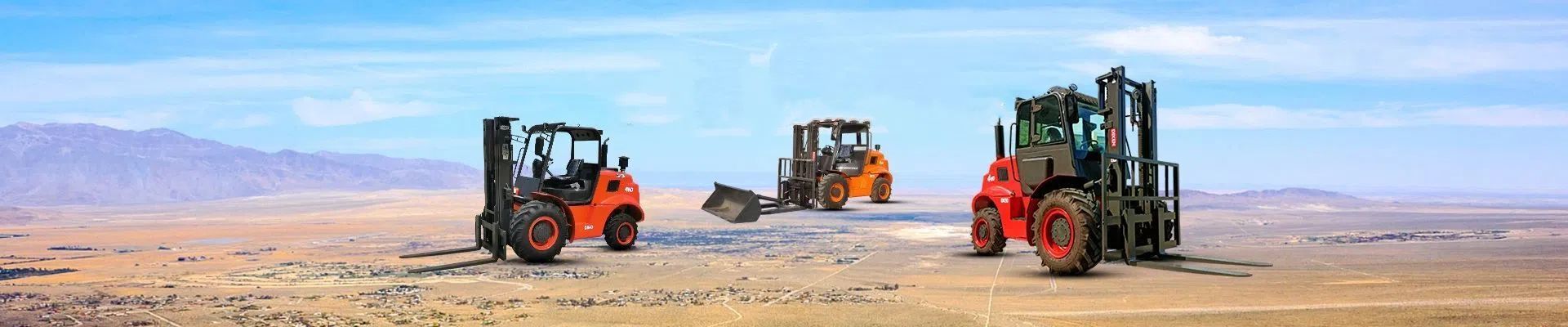
One of the primary advantages of telescopic rough terrain forklifts is their ability to operate effectively on rough terrain. Equipped with large, rugged tires and a high ground clearance, they can navigate obstacles like ditches, rocks, and uneven ground without compromising safety or functionality. This makes them ideal for use at construction sites, farms, and industrial locations where terrain conditions can vary significantly.
The telescopic boom feature is another key highlight of these forklifts. It allows for extended reach, enabling operators to lift loads higher and further than traditional forklifts. This capability is particularly beneficial when working in environments with height restrictions or when stacking materials. The versatility in load handling means that businesses can maximize their operational efficiency and minimize the need for multiple machines.
Additionally, telescopic rough terrain forklifts come with various attachments that enhance their functionality. Common attachments include bucket loaders, pallet forks, and winches, which can adapt the forklift to a range of tasks. This versatility means that one machine can serve multiple purposes, reducing the need for additional equipment and saving on operational costs.
Safety is paramount in the operation of any heavy machinery, and telescopic rough terrain forklifts are no exception. Many models are equipped with advanced safety features, such as stability monitoring systems and load sensors, which help prevent tipping and ensure safe handling of loads. Operators are also trained to follow safety protocols, further enhancing the safety of operations.
In conclusion, telescopic rough terrain forklifts are indispensable tools for businesses that operate in environments where traditional forklifts may fall short. Their ability to navigate rough terrain, combined with the extended reach of their telescopic booms and compatibility with various attachments, makes them a versatile choice for a multitude of applications. Understanding the capabilities and benefits of these machines can help businesses optimize their operations and improve overall productivity. As industries continue to evolve, the role of these specialized forklifts will undoubtedly grow, making them a smart investment for any company involved in transportation, warehousing, or construction.
Keywords: telescopic rough terrain forklift




Shandong Diken Heavy Industry Co., Ltd. is a professional manufacturer of cross-country material handling equipment in China. We are located in Shandong Province, China, specializing in the manufacture of handling and loading equipment suitable for agriculture
Contact Information
Starting from the west section of Taishan Street, Daiyue District, Tai'an City, Shandong Province
Business license