




Diken news
Mastering Rough Terrain Forklift Operation: Expert Training Techniques for Your Team
Release time: 2026-10-01
How to Train Your Team on Rough Terrain Forklift Operation
Table of Contents
- Introduction to Rough Terrain Forklifts
- The Importance of Training for Rough Terrain Forklift Operation
- Understanding Rough Terrain Challenges
- Effective Training Techniques for Your Team
- Essential Safety Protocols for Rough Terrain Forklift Operation
- Maintenance Tips for Rough Terrain Forklifts
- Common Pitfalls to Avoid in Rough Terrain Forklift Training
- Frequently Asked Questions
- Conclusion
Introduction to Rough Terrain Forklifts
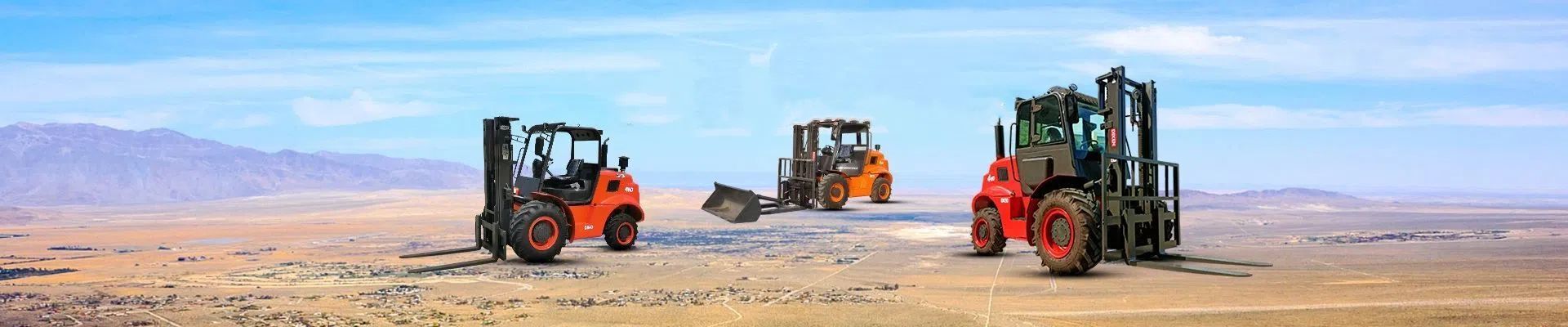
Rough terrain forklifts are specifically designed to handle challenging environments, such as construction sites, uneven terrains, and outdoor job sites. Unlike traditional forklifts, these machines are equipped with larger tires and powerful engines, making them ideal for lifting heavy loads in rugged conditions. Proper training is essential to ensure that operators can navigate these environments safely and efficiently.
The training process involves understanding the unique functionalities of rough terrain forklifts, as well as the specific safety measures required in varied conditions.
The Importance of Training for Rough Terrain Forklift Operation
Training your team on rough terrain forklift operation is crucial for several reasons:
- **Enhanced Safety**: Neglecting proper training can lead to accidents, injuries, and even fatalities. A trained operator understands the risks and knows how to mitigate them.
- **Increased Efficiency**: Properly trained operators can navigate rough terrains more effectively, resulting in improved productivity and reduced downtime.
- **Compliance with Regulations**: OSHA and other regulatory bodies require that forklifts are operated only by trained personnel. Proper training ensures compliance and avoids potential fines.
Investing in comprehensive training for your team not only enhances safety and productivity but also fosters a culture of responsibility and professionalism.
Understanding Rough Terrain Challenges
Navigating rough terrain presents unique challenges that operators must be prepared to face. Some of these challenges include:
- **Uneven Surfaces**: Operators must learn to identify and navigate obstacles such as rocks, mud, and ditches, which can affect stability and control.
- **Inclines and Declines**: Operating on slopes requires specific techniques to ensure safety and proper load management.
- **Weather Conditions**: Rain, snow, and ice can further complicate operations, making proper training and preparation even more critical.
By understanding these challenges, operators can be better equipped to handle them effectively.
Effective Training Techniques for Your Team
Training for rough terrain forklift operation should encompass a blend of theoretical knowledge and practical experience. Here are some effective techniques to implement:
1. Classroom Instruction
Begin with a structured classroom setting where operators can learn about:
- The components and functions of rough terrain forklifts
- Safety protocols
- Load management and center of gravity principles
- Legal regulations and compliance requirements
2. Hands-On Training
After classroom instruction, provide hands-on training that allows operators to practice driving and maneuvering rough terrain forklifts under controlled conditions. Focus on:
- Navigating various terrains
- Performing basic functions like lifting, lowering, and tilting loads
- Handling emergency situations
3. Simulation Training
Incorporate simulation training using advanced technology to replicate real-life scenarios. This approach allows operators to experience challenging conditions without any risks.
4. Regular Assessments
Conduct periodic evaluations to assess each operator’s skill level and understanding. Use both written tests and practical evaluations to ensure comprehensive knowledge.
Essential Safety Protocols for Rough Terrain Forklift Operation
Safety should always be the priority when operating rough terrain forklifts. Implement the following essential safety protocols:
1. Pre-Operational Checks
Before operating a forklift, operators should conduct a thorough pre-operational check, including:
- Inspecting tires for proper inflation and wear
- Checking fluid levels (oil, fuel, and hydraulic fluid)
- Ensuring that all safety features (horns, lights, brakes) are functional
2. Proper Load Management
Educate operators on the importance of load management, including:
- Understanding load limits and the center of gravity
- Properly securing loads before transport
- Distributing loads evenly to maintain stability
3. Personal Protective Equipment (PPE)
Mandate the use of appropriate PPE, such as:
- Hard hats
- Safety boots
- High-visibility vests
- Hearing protection
4. Emergency Procedures
Train operators on emergency procedures, including what to do in case of:
- Equipment failure
- Accidents
- Unforeseen terrain challenges
Maintenance Tips for Rough Terrain Forklifts
Regular maintenance is vital to ensure the safety and efficiency of rough terrain forklifts. Here are some key maintenance tips to share with your team:
1. Routine Inspections
Schedule routine inspections to identify and address any mechanical issues before they escalate. Focus on:
- Hydraulics
- Tires
- Electrical systems
2. Cleanliness
Keep forklifts clean, especially after operating in muddy or dusty conditions. This helps prevent wear and tear on parts.
3. Lubrication
Ensure that all moving parts are correctly lubricated to prevent friction and reduce wear.
Common Pitfalls to Avoid in Rough Terrain Forklift Training
Recognizing common pitfalls can enhance your training program's effectiveness. Avoid these mistakes:
1. Insufficient Training Duration
Rushing through training can leave operators unprepared for real-world challenges. Allow ample time for both theory and practice.
2. Lack of Realistic Scenarios
Training should include realistic scenarios that operators may encounter on the job. Simulations and practical exercises should mimic actual working conditions.
3. Ignoring Feedback
Encourage feedback from trainees to identify areas for improvement in your training program. Regularly update training materials based on input.
Frequently Asked Questions
1. How long should rough terrain forklift training last?
Training duration varies, but a comprehensive program should typically last at least 8-12 hours for theoretical understanding, followed by hands-on training.
2. What qualifications should trainers have?
Trainers should possess relevant certification and experience in operating and teaching about rough terrain forklifts.
3. Are there specific certifications for rough terrain forklift operation?
Yes, many organizations offer certification programs specifically for rough terrain forklift operation, which are often recognized by OSHA.
4. What are the consequences of not training operators?
Failure to train operators can result in accidents, injuries, legal liabilities, and damage to equipment, leading to financial losses for the company.
5. How can I ensure continuous learning for my team?
Implement regular refresher courses and updates on new technologies and techniques to keep operators informed and skilled.
Conclusion
Training your team on rough terrain forklift operation is an investment that pays dividends in safety, productivity, and regulatory compliance. By implementing a comprehensive training program that emphasizes theory, hands-on practice, and adherence to safety protocols, your team will be well-equipped to handle the demands of rough terrain environments.
With a focus on continuous learning and adapting to challenges, your organization can foster a culture of excellence that not only promotes safe operations but also enhances overall performance in the field. Investing in your team today will yield a more competent, confident, and capable workforce tomorrow.
Keywords: forklift for rough terrain




Shandong Diken Heavy Industry Co., Ltd. is a professional manufacturer of cross-country material handling equipment in China. We are located in Shandong Province, China, specializing in the manufacture of handling and loading equipment suitable for agriculture
Contact Information
Starting from the west section of Taishan Street, Daiyue District, Tai'an City, Shandong Province
Business license