




Diken news
The Importance of Choosing the Right All Terrain Forklift for Your Farm
Release time: 2026-04-04
The Importance of Choosing the Right All Terrain Forklift for Your Farm
Table of Contents
- Understanding All Terrain Forklifts: A Comprehensive Overview
- The Benefits of All Terrain Forklifts in Agriculture
- Key Features to Look For in All Terrain Forklifts
- How to Select the Right All Terrain Forklift for Your Farm
- Cost Considerations and Budgeting for Your All Terrain Forklift
- Maintenance and Lifespan of All Terrain Forklifts
- Real Farmers' Experience and Testimonials
- Frequently Asked Questions
Understanding All Terrain Forklifts: A Comprehensive Overview
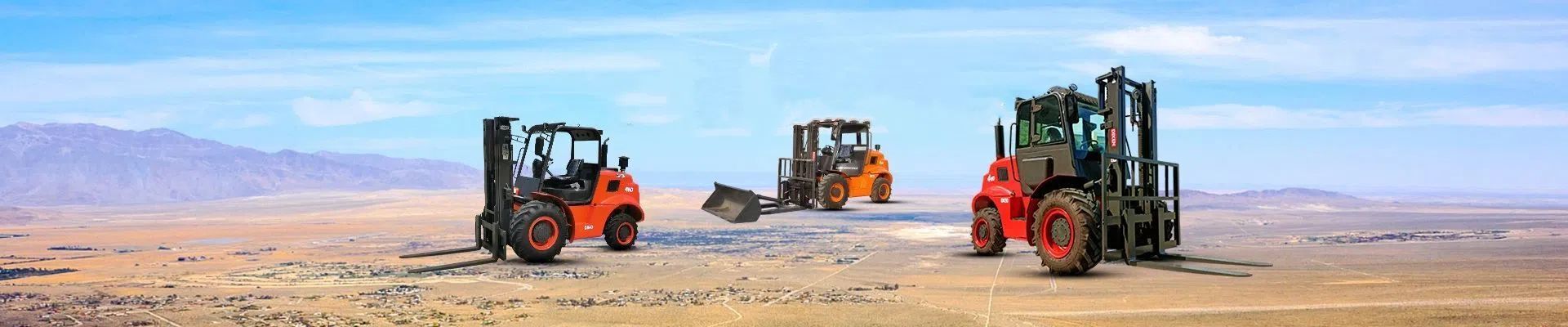
All terrain forklifts are specialized pieces of equipment designed to operate effectively on uneven and challenging surfaces. **These versatile machines** are particularly beneficial for farms that fluctuate between rugged terrain and smooth surfaces, allowing for seamless transportation of materials and equipment across various landscapes. With robust tires and a powerful engine, all terrain forklifts can handle heavy loads while providing excellent stability.
The **design** of an all terrain forklift typically includes a higher ground clearance and larger tires compared to standard forklifts, enabling them to navigate through mud, snow, and uneven ground without sacrificing performance. Understanding the mechanics and capabilities of these machines is crucial for any farmer looking to enhance productivity and efficiency on their land.
The Benefits of All Terrain Forklifts in Agriculture
Utilizing all terrain forklifts offers numerous benefits that directly contribute to the efficiency and effectiveness of agricultural operations.
1. Enhanced Mobility on Challenging Terrain
One of the **primary advantages** of all terrain forklifts is their ability to move effortlessly across challenging landscapes. This mobility allows farmers to transport goods, tools, and produce without the risk of the forklift getting stuck or damaging the land.
2. Increased Load Capacity
These forklifts are engineered to handle **heavy loads**, making them ideal for moving bulk materials such as fertilizers, feed, and harvested crops. With the right all terrain forklift, farmers can optimize their operational efficiency and save time during peak seasons.
3. Versatility in Various Weather Conditions
All terrain forklifts are built to withstand various weather conditions, allowing farmers to operate efficiently regardless of the environmental challenges. Be it rain, snow, or muddy conditions, these machines ensure that farm operations continue smoothly.
4. Improved Safety Features
Safety is paramount in any agricultural setting. Many all terrain forklifts come equipped with advanced safety features, including stability systems, ergonomic controls, and enhanced visibility options, ensuring operators can work confidently even in difficult conditions.
Key Features to Look For in All Terrain Forklifts
When selecting an all terrain forklift, several key features should be evaluated to ensure it meets the specific needs of your farm.
1. Tire Type and Size
The **tires** are one of the most critical components of an all terrain forklift. Look for models with large, rugged tires that offer excellent traction and stability on uneven surfaces.
2. Load Capacity and Reach
Consider the **load capacity** needed for your specific operations. Assess the maximum weight you will be transporting and ensure the forklift can accommodate that weight comfortably. Additionally, evaluate the reach capabilities to ensure it can handle tall stacks or items.
3. Engine Power and Fuel Efficiency
Opt for forklifts with a powerful engine that can handle the demands of your farm while also being fuel-efficient. This balance will save costs in the long run while maintaining high performance.
4. Ergonomics and Operator Comfort
A comfortable operator is a productive operator. Look for features like adjustable seats, intuitive controls, and good visibility to ensure maximum comfort and efficiency during operation.
How to Select the Right All Terrain Forklift for Your Farm
Selecting the right all terrain forklift involves assessing both your current and future needs. Here are essential steps to consider:
1. Assess Your Needs
Evaluate the specific tasks you will be performing with the forklift. Whether it’s moving heavy bales of hay, transporting equipment, or loading/unloading goods, understanding your needs will guide your choice.
2. Research Different Models
Conduct thorough research on different all terrain forklift models available in the market. Compare specifications, read reviews, and check ratings to narrow down your options.
3. Consult with Experts
Don’t hesitate to reach out to industry experts or local dealers for their insights and recommendations. They can provide valuable information about the best options for your specific agricultural applications.
4. Consider Warranties and After-Sales Support
Ensure that the manufacturer offers a solid warranty and reliable after-sales support. This will provide peace of mind in case of any repairs or maintenance needs in the future.
Cost Considerations and Budgeting for Your All Terrain Forklift
When planning to purchase an all terrain forklift, budget considerations are crucial.
1. Initial Purchase Costs
The **initial cost** of an all terrain forklift can vary significantly based on its specifications and features. Be prepared to invest in quality machinery that meets your operational needs.
2. Long-Term Operational Costs
In addition to the purchase price, factor in long-term operational costs, such as fuel, maintenance, and repairs. A more fuel-efficient model may have a higher upfront cost but can save you money in the long run.
3. Financing Options
Explore financing options that may be available through manufacturers or local dealerships. This can ease the financial burden and allow you to invest in essential equipment without straining your cash flow.
Maintenance and Lifespan of All Terrain Forklifts
Proper maintenance is key to extending the lifespan of your all terrain forklift.
1. Regular Maintenance Checks
Establish a routine maintenance schedule that includes **regular checks** on fluids, tires, brakes, and engine components. This will help identify issues before they become serious problems.
2. Cleaning and Upkeep
Keep the forklift clean and free from debris to prevent corrosion and mechanical failures. Pay special attention to the undercarriage, where dirt and mud can accumulate.
3. Training the Operators
Invest in training for your operators to ensure they understand the best practices for operating and maintaining the forklift. Proper use can significantly affect the forklift’s lifespan and performance.
Real Farmers' Experience and Testimonials
Hearing from fellow farmers can provide invaluable insights into the real-world performance of all terrain forklifts.
Many farmers have reported increased efficiency and productivity since integrating all terrain forklifts into their operations. One farmer shared, “Switching to an all terrain forklift allowed us to transport materials across our fields without worrying about getting stuck. It’s been a game changer for our harvest season.”
Another farmer noted, “The ease of use and safety features of our all terrain forklift make it a vital part of our daily operations. We can handle bigger loads and get more done in less time.”
These testimonials underscore the significance of choosing the right equipment and how it can positively impact farm operations.
Frequently Asked Questions
1. What is the average cost of an all terrain forklift?
The average cost of an all terrain forklift can range from $30,000 to over $100,000, depending on the model and features.
2. How do I know if an all terrain forklift is right for my farm?
Assess your specific needs, the terrain you work on, and the weight of the loads you need to transport to determine if an all terrain forklift is suitable.
3. What maintenance is needed for all terrain forklifts?
Regular maintenance includes checking fluid levels, inspecting tires, cleaning the machine, and ensuring all parts are functioning properly.
4. Can I finance the purchase of an all terrain forklift?
Yes, many manufacturers and dealers offer financing options that can help you acquire an all terrain forklift without straining your budget.
5. How long can I expect an all terrain forklift to last?
With proper maintenance, an all terrain forklift can last between 10 to 15 years, depending on usage and care.
Conclusion
Choosing the right all terrain forklift for your farm is a decision that can significantly impact your operational efficiency. By understanding the features, benefits, and costs associated with these machines, you can make an informed choice that will enhance productivity and safety. With proper maintenance and operator training, an all terrain forklift can serve as a valuable asset, enabling your farm to thrive amidst the challenges of agricultural work. Investing in the right equipment today will yield benefits for years to come, ensuring you’re well-equipped to handle the demands of modern farming.
Keywords: all terrain forklift,buy all terrain forklift exporters
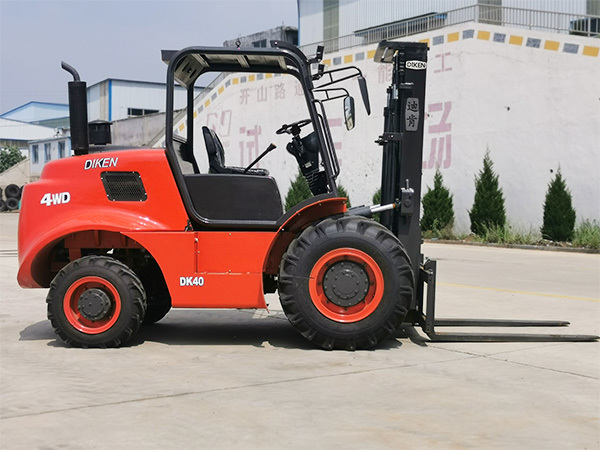



Shandong Diken Heavy Industry Co., Ltd. is a professional manufacturer of cross-country material handling equipment in China. We are located in Shandong Province, China, specializing in the manufacture of handling and loading equipment suitable for agriculture
Contact Information
Starting from the west section of Taishan Street, Daiyue District, Tai'an City, Shandong Province