




Diken news
Choosing the Right Rough Terrain Forklift for Your Needs: A Comprehensive Guide
Release time: 2025-03-18
Choosing the Right Rough Terrain Forklift for Your Needs
In the ever-evolving landscape of transportation and warehousing, selecting the appropriate rough terrain forklift is crucial for optimizing your operations. Whether your work environment consists of rugged construction sites, uneven landscapes, or challenging agricultural terrains, understanding the nuances of rough terrain forklifts can significantly enhance efficiency, safety, and productivity.
Table of Contents
- Introduction to Rough Terrain Forklifts
- Key Factors to Consider When Choosing a Rough Terrain Forklift
- Types of Rough Terrain Forklifts
- Understanding Lifting Capacity and Height
- Engine Options: Diesel vs. Gas
- Maneuverability and Stability on Rough Terrain
- Cost Considerations and Budgeting
- Maintenance and Service Requirements
- Conclusion
- Frequently Asked Questions
Introduction to Rough Terrain Forklifts
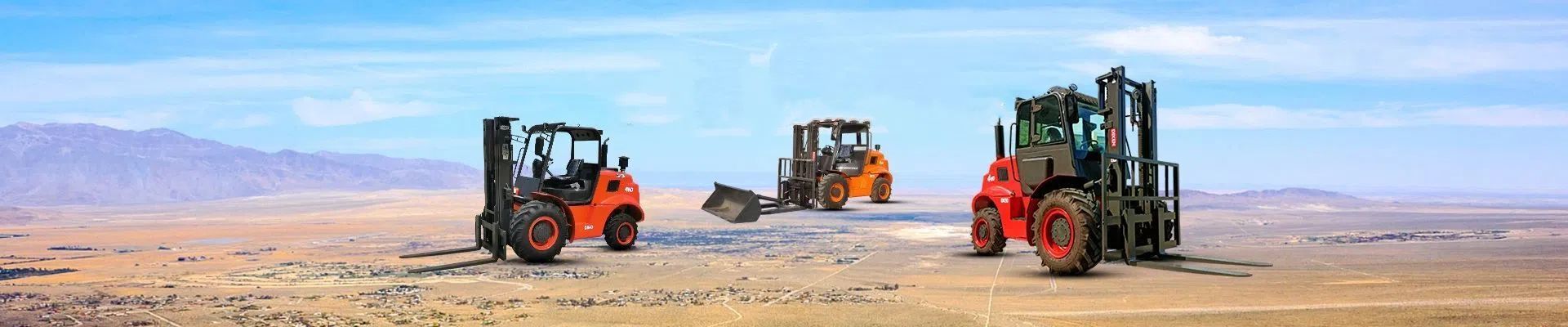
Rough terrain forklifts are essential tools designed to handle heavy loads over difficult ground conditions. They are equipped with specialized tires and enhanced lifting capabilities, making them ideal for construction sites, farms, and outdoor operations where standard forklifts would struggle. Understanding your specific operational requirements will help you determine the right rough terrain forklift for your needs.
Key Factors to Consider When Choosing a Rough Terrain Forklift
Choosing the right rough terrain forklift requires a deep understanding of various factors. Every job site has its unique challenges, and recognizing these challenges will guide your decision-making process. Below are some critical aspects to consider:
1. Load Capacity
Assess the maximum weight you need the forklift to lift. Rough terrain forklifts typically range from 2,000 to 15,000 pounds in capacity. It’s essential to choose a model that exceeds your maximum expected load to ensure safety and performance.
2. Lift Height
Consider the height to which you need to lift your loads. Rough terrain forklifts can provide lift heights ranging from 10 to 20 feet. Matching lift height with your operational requirements is crucial for maintaining efficiency.
3. Terrain Conditions
Evaluate the types of surfaces your forklift will be traversing. Rough terrain forklifts are designed for uneven ground, mud, gravel, and slopes. Ensure that the specific model you choose is equipped to navigate the specific conditions of your worksite.
4. Visibility and Safety Features
Safety should always be a top priority. Look for forklifts with excellent visibility from the operator's seat and robust safety features such as roll-over protection systems (ROPS) and seat belts. These features minimize the risk of accidents on rough terrain.
Types of Rough Terrain Forklifts
Understanding the various types of rough terrain forklifts can help you make an informed choice. Here are the primary classifications:
1. Telescopic Handlers
Telescopic handlers, also known as telehandlers, feature an extendable boom that allows for versatile lifting and placement of loads. They are particularly useful in construction and agriculture, where height and reach are essential.
2. Straight Mast Forklifts
Straight mast forklifts are ideal for lifting heavy loads straight up and down. They provide stability and strength but may have limitations in reach compared to telescopic handlers. These forklifts excel in rough, uneven terrain.
3. Articulated Forklifts
Articulated forklifts have a flexible design that allows them to maneuver easily in tight spaces. They are capable of navigating obstacles and uneven terrain while maintaining lifting capabilities.
Understanding Lifting Capacity and Height
Getting a firm grasp on lifting capacity and height is vital when selecting a rough terrain forklift. The lifting capacity affects your ability to handle various loads efficiently, while the lift height determines how high you can place loads. Always refer to manufacturer specifications and ensure the forklift can handle your typical load sizes and heights.
Engine Options: Diesel vs. Gas
When it comes to engine options for rough terrain forklifts, diesel and gas engines are the primary choices. Both have their pros and cons:
1. Diesel Engines
Diesel engines are known for their durability and fuel efficiency, particularly in heavy-duty applications. They provide more torque, making them suitable for challenging lifting tasks. However, they can be noisier and may have higher initial costs.
2. Gas Engines
Gas engines are generally quieter and less expensive upfront. They are suitable for lighter applications and are often easier to maintain. However, they may not provide the same level of torque as diesel engines, especially in heavy lifting scenarios.
Maneuverability and Stability on Rough Terrain
Maneuverability is critical when operating a rough terrain forklift. Look for models with four-wheel drive and oscillating axles, which enhance stability on uneven ground. A forklift’s turning radius also affects its ability to navigate tight spaces, so consider your operational area when making a selection.
Cost Considerations and Budgeting
Budgeting for a rough terrain forklift involves more than just the initial purchase price. Consider ongoing costs such as fuel consumption, maintenance, and repairs. It’s also wise to factor in potential downtime and how it might affect your operations. Research financing options and warranty programs that can provide additional security for your investment.
Maintenance and Service Requirements
All forklifts require regular maintenance to operate effectively. Choose a model that is easy to service and has readily available replacement parts. Understanding the maintenance schedule and costs associated with your forklift will help keep it running smoothly and prolong its lifespan.
Conclusion
Choosing the right rough terrain forklift for your needs is a decision that can significantly impact your operational efficiency and safety. By considering essential factors such as load capacity, lift height, terrain conditions, and engine options, you can make an informed choice tailored to your specific requirements. Investing time in understanding these aspects will ensure you select a forklift that enhances productivity in your transportation and warehousing operations.
Frequently Asked Questions
1. What is the difference between a rough terrain forklift and a standard forklift?
A rough terrain forklift is designed specifically for outdoor use on uneven surfaces, while standard forklifts are primarily intended for smooth indoor surfaces.
2. How do I determine the lifting capacity I need for my operations?
Assess the heaviest loads you will be handling and ensure the forklift can exceed that capacity for safety and efficiency.
3. Are rough terrain forklifts suitable for all types of outdoor jobs?
While they are versatile, the suitability of a rough terrain forklift depends on job site conditions and the specific tasks being performed.
4. What maintenance is required for rough terrain forklifts?
Regular maintenance includes checking fluid levels, inspecting tires, and performing routine service checks to ensure safe operation.
5. Can I use a rough terrain forklift indoors?
It's not recommended as they are built for outdoor use and may have larger turning radii and different operational characteristics compared to standard forklifts.
Keywords: rough terrain forklift




Shandong Diken Heavy Industry Co., Ltd. is a professional manufacturer of cross-country material handling equipment in China. We are located in Shandong Province, China, specializing in the manufacture of handling and loading equipment suitable for agriculture
Contact Information
Starting from the west section of Taishan Street, Daiyue District, Tai'an City, Shandong Province