




Diken news
Mastering the Terrain: A Comprehensive Guide to Rough Terrain Forklifts
Release time: 2025-03-21
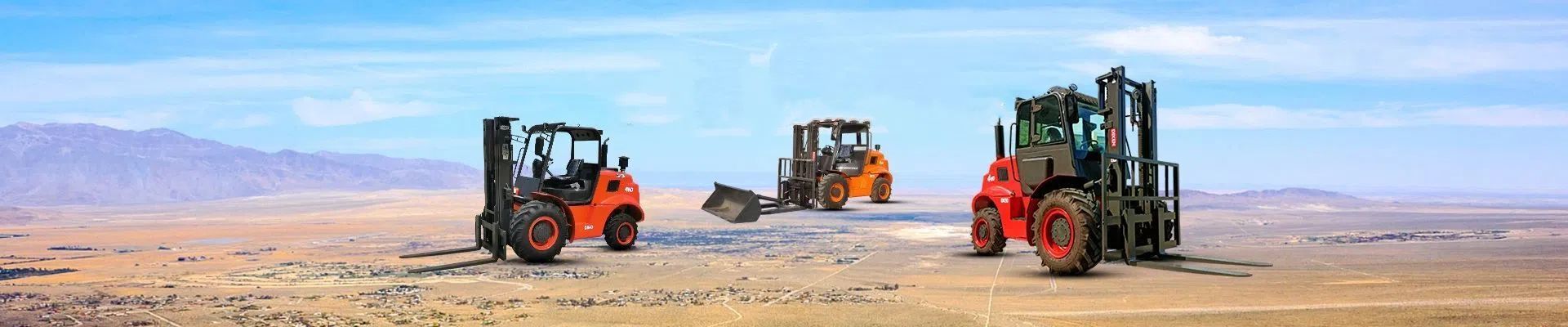
Rough terrain forklifts are specialized lifting machines designed to operate on uneven and challenging surfaces, making them indispensable in various industries, particularly construction, agriculture, and landscaping. Unlike standard forklifts, these machines are equipped with features that allow them to navigate rough terrain, ensuring safe and efficient material handling in environments that other forklifts might find difficult or impossible to access.
One of the defining characteristics of rough terrain forklifts is their robust design. These machines typically feature larger, more rugged tires with deep treads that provide better traction on uneven surfaces such as gravel, mud, and sand. Additionally, rough terrain forklifts often come with increased ground clearance, which helps prevent the machine from getting stuck or sustaining damage while traversing rough landscapes. This design enhances stability and control, allowing operators to handle loads safely even in less-than-ideal conditions.
Power is another critical component of rough terrain forklifts. Most models are equipped with powerful engines that deliver the necessary torque to navigate steep inclines and heavy loads. This capability is essential for tasks such as transporting building materials on construction sites or lifting heavy agricultural equipment in fields. Furthermore, many rough terrain forklifts come with all-wheel drive, improving maneuverability and enhancing their ability to tackle difficult terrains.
In terms of versatility, rough terrain forklifts can be fitted with various attachments, making them suitable for a wide range of applications. Common attachments include forks for pallet handling, buckets for moving loose materials, and winches for towing tasks. This adaptability allows businesses to maximize the utility of their forklifts, ensuring that they can tackle multiple jobs without the need for several different machines.
Safety is a paramount consideration when operating any forklift, and rough terrain models are no exception. Many manufacturers incorporate advanced safety features such as anti-tipping systems, load monitoring sensors, and operator presence controls to minimize risks associated with lifting and transporting heavy loads in challenging environments. Ensuring that operators are trained in the safe use of these machines is crucial for maintaining a safe working environment.
In conclusion, rough terrain forklifts play a vital role in industries where traditional forklifts may struggle to perform. Their rugged design, powerful engines, and adaptability make them an ideal choice for material handling in rough, uneven environments. By investing in a rough terrain forklift, companies can significantly enhance their operational efficiency while ensuring the safety of their workforce. Understanding the capabilities and benefits of these machines is essential for businesses looking to optimize their material handling processes in demanding conditions.
Keywords: rough terrain forklift




Shandong Diken Heavy Industry Co., Ltd. is a professional manufacturer of cross-country material handling equipment in China. We are located in Shandong Province, China, specializing in the manufacture of handling and loading equipment suitable for agriculture
Contact Information
Starting from the west section of Taishan Street, Daiyue District, Tai'an City, Shandong Province
Business license