




Diken news
All Terrain Forklifts: Safeguarding Your Crops in Rough Conditions
Release time: 2026-02-13
All Terrain Forklifts: Safeguarding Your Crops in Rough Conditions
Table of Contents
- Introduction to All Terrain Forklifts
- Understanding All Terrain Forklifts
- Advantages of All Terrain Forklifts in Agriculture
- Key Features of All Terrain Forklifts
- Choosing the Right All Terrain Forklift for Your Needs
- Maintenance Tips for All Terrain Forklifts
- Safety Considerations When Using All Terrain Forklifts
- The Future of All Terrain Forklifts in Agriculture
- Frequently Asked Questions
- Conclusion
Introduction to All Terrain Forklifts
In the dynamic world of agriculture, the demand for versatile and durable equipment cannot be overstated. **All terrain forklifts** play a critical role in enhancing agricultural productivity, especially in challenging environments. These robust machines are designed to navigate rough terrains while safeguarding crops and improving efficiency.
Farmers often face unpredictable weather conditions and uneven landscapes that complicate traditional farming methods. All terrain forklifts offer a reliable solution, allowing for seamless operations in every season. This article delves into the significance of all terrain forklifts, their advantages, and essential considerations for their effective use in the agricultural sector.
Understanding All Terrain Forklifts
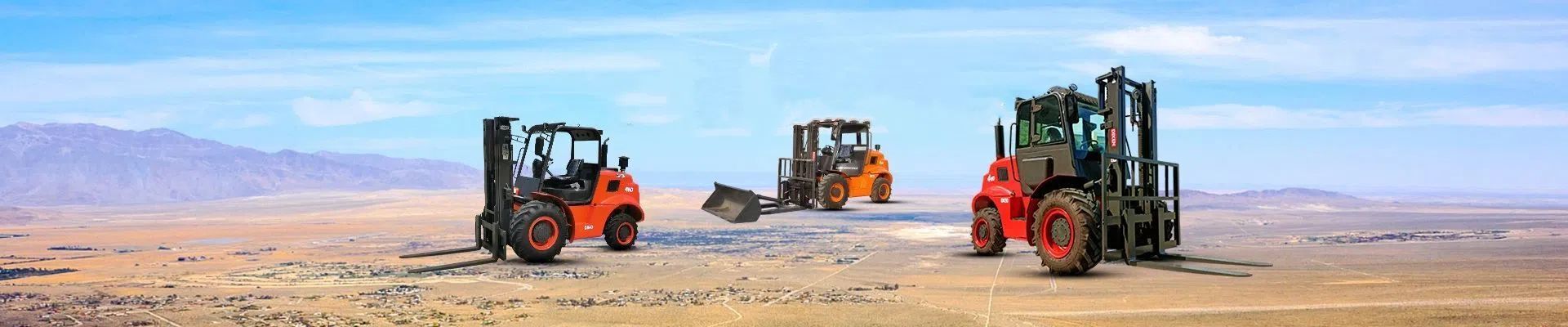
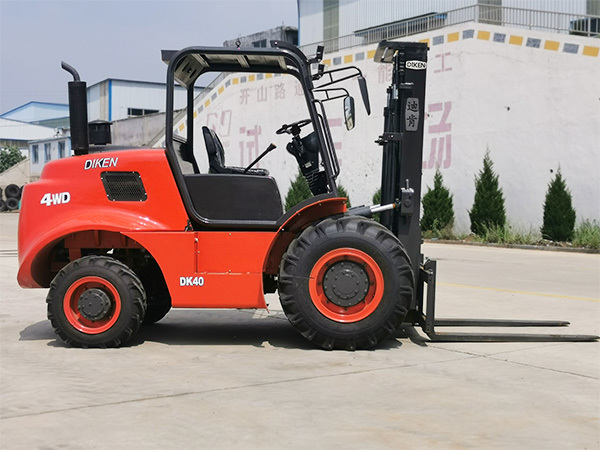
All terrain forklifts are specialized vehicles equipped to operate on various surfaces, including mud, gravel, and uneven fields. Unlike standard forklifts, these machines feature enhanced **ground clearance**, **wide tires**, and **four-wheel drive** systems, enabling them to traverse rugged landscapes with ease.
The design of all terrain forklifts emphasizes both power and maneuverability. They can lift substantial loads while ensuring stability and safety, making them an invaluable asset for farmers. These forklifts are equipped with features that enhance their capability to handle diverse tasks, from transporting materials to aiding in the planting and harvesting processes.
Advantages of All Terrain Forklifts in Agriculture
Farmers worldwide are increasingly adopting all terrain forklifts due to their numerous advantages, including:
1. Enhanced Mobility
All terrain forklifts are engineered to operate effectively on rugged terrains, providing farmers with the flexibility to move materials across various landscapes. This enhanced mobility minimizes downtime and boosts overall productivity.
2. Increased Load Capacity
These robust machines can handle heavier loads compared to traditional forklifts. This ability to lift and transport bulk materials efficiently ensures that farming operations run smoothly, saving time and resources.
3. Improved Safety
Safety remains a paramount concern in agriculture. All terrain forklifts are designed with advanced safety features, such as stability control systems and operator protection mechanisms. These features significantly reduce the risk of accidents and injuries on the job.
4. All-Weather Performance
One of the standout features of all terrain forklifts is their ability to perform in various weather conditions. Whether navigating through muddy fields after a rainstorm or maneuvering on frozen ground in winter, these machines maintain operational integrity, ensuring consistent productivity throughout the year.
5. Versatility
All terrain forklifts are not limited to specific tasks; they can be equipped with various attachments, such as forks, buckets, or grapples, further enhancing their utility in diverse agricultural applications. This versatility streamlines operations, allowing farmers to adapt to changing agricultural demands effectively.
Key Features of All Terrain Forklifts
To ensure optimal performance, all terrain forklifts come equipped with several essential features:
1. Robust Tires
The large, deeply treaded tires on all terrain forklifts provide excellent traction and stability on uneven surfaces. These tires are designed to withstand rough conditions, reducing the risk of slippage and enhancing overall safety.
2. Four-Wheel Drive
The four-wheel drive system allows all terrain forklifts to distribute power to all wheels, improving their capability to navigate steep inclines and challenging terrains. This feature is essential for agricultural tasks where uneven ground is common.
3. Adjustable Forks and Attachments
The ability to adjust forks and utilize different attachments makes all terrain forklifts exceptionally adaptable. Farmers can switch between lifting, digging, or moving tasks based on their specific needs, maximizing efficiency.
4. Advanced Hydraulics
Powerful hydraulic systems in all terrain forklifts enable precise control over lifting and lowering heavy loads. This ensures smooth operations and reduces the risk of equipment damage during handling.
5. Ergonomic Design
Operator comfort is vital during long hours of operation. All terrain forklifts feature ergonomic controls, adjustable seating, and visibility enhancements that contribute to a safer and more comfortable working environment.
Choosing the Right All Terrain Forklift for Your Needs
When selecting an all terrain forklift, various factors must be considered:
1. Load Capacity
Assess the typical weight of the loads you will be moving. Choose a forklift that can comfortably handle these weights while providing a safety margin.
2. Terrain Type
Consider the types of terrains your forklift will be operating on. Different models are optimized for various conditions, such as steep grades or loose soil.
3. Size and Maneuverability
The size of the forklift impacts its maneuverability in tight spaces. Evaluate your operational environment to determine the ideal dimensions for your needs.
4. Fuel Type
All terrain forklifts are available in various fuel types, including diesel and electric models. Consider your operational requirements and environmental impact when making your choice.
5. Budget
Investing in an all terrain forklift is a significant decision. Consider both the upfront cost and the long-term operational expenses, including maintenance and fuel consumption.
Maintenance Tips for All Terrain Forklifts
Proper maintenance ensures the longevity and reliability of all terrain forklifts. Here are some essential maintenance tips:
1. Regular Inspections
Conduct routine inspections to check for any signs of wear or damage. Pay special attention to tires, hydraulics, and electrical systems.
2. Fluid Checks
Ensure that all fluid levels, including hydraulic fluid, engine oil, and coolant, are maintained at appropriate levels to prevent overheating and ensure smooth operation.
3. Tire Maintenance
Inspect tires regularly for signs of wear and tear. Proper inflation is critical for maintaining traction and stability.
4. Cleanliness
Keep the forklift clean to prevent debris buildup, which can lead to mechanical issues. Regularly wash the undercarriage and other components to avoid corrosion.
5. Professional Servicing
Schedule professional servicing periodically to address any technical issues and ensure all components are functioning correctly.
Safety Considerations When Using All Terrain Forklifts
Safety is paramount when operating all terrain forklifts. Here are key considerations:
1. Operator Training
Ensure all operators are thoroughly trained in the safe operation of all terrain forklifts. This training should include understanding the machinery's features and safe handling techniques.
2. Personal Protective Equipment (PPE)
Operators should wear appropriate PPE, such as hard hats, gloves, and safety footwear, to minimize injury risk.
3. Load Handling
Always adhere to the recommended load capacity. Ensure loads are balanced and secured to prevent accidents during transport.
4. Visibility
Maintain clear visibility when operating the forklift. Ensure that all mirrors and lights are functioning properly to enhance safety.
5. Communication
Establish clear communication protocols among team members working in proximity to the forklift to avoid accidents.
The Future of All Terrain Forklifts in Agriculture
The agricultural industry is evolving rapidly, and all terrain forklifts are poised to play a significant role in shaping its future. As technology advances, we can expect to see innovations such as:
1. Automation
The integration of automation technologies in all terrain forklifts could enhance efficiency and minimize the need for manual labor. Autonomous forklifts may soon navigate fields without operator intervention, increasing productivity.
2. Sustainability
With growing concerns over environmental impact, manufacturers are likely to focus on developing electric and hybrid all terrain forklifts that reduce emissions while maintaining performance.
3. Smart Technologies
The incorporation of IoT and smart technologies into all terrain forklifts will enable real-time monitoring and diagnostics, ensuring optimal performance and reducing maintenance costs.
4. Enhanced Safety Features
As safety continues to be a top priority, we can anticipate the introduction of advanced safety technologies, such as collision avoidance systems and enhanced operator protection features.
Frequently Asked Questions
1. What is an all terrain forklift?
An all terrain forklift is a specialized material handling vehicle designed to operate on uneven and rugged surfaces, commonly used in agricultural applications.
2. How much weight can an all terrain forklift lift?
The lifting capacity of all terrain forklifts varies by model, but they typically range from 2,000 to 10,000 pounds or more, depending on the specifications.
3. Are all terrain forklifts safe to operate?
Yes, all terrain forklifts are designed with safety features to enhance operator safety. However, proper training and adherence to safety measures are essential for safe operation.
4. What maintenance is required for all terrain forklifts?
Regular inspections, fluid checks, tire maintenance, and professional servicing are critical to ensuring the reliable operation of all terrain forklifts.
5. Can all terrain forklifts be used in winter conditions?
Absolutely! All terrain forklifts are designed to perform in various weather conditions, including winter, making them ideal for year-round agricultural operations.
Conclusion
All terrain forklifts have become indispensable tools in modern agriculture, safeguarding crops and enhancing operational efficiency in challenging conditions. Their unique features and capabilities allow farmers to navigate diverse terrains with ease, ultimately improving productivity and safety.
As the agricultural landscape continues to evolve, embracing advanced technologies and practices will be essential for success. Investing in all terrain forklifts not only streamlines operations but also prepares farmers for the future of agriculture. With proper maintenance and training, these robust machines will continue to play a pivotal role in safeguarding crops and supporting sustainable farming practices.
Keywords: all terrain forklift



Shandong Diken Heavy Industry Co., Ltd. is a professional manufacturer of cross-country material handling equipment in China. We are located in Shandong Province, China, specializing in the manufacture of handling and loading equipment suitable for agriculture
Contact Information
Starting from the west section of Taishan Street, Daiyue District, Tai'an City, Shandong Province
Business license