





Diken news
Essential Tips for Operating a 2.5 Ton All Terrain Forklift Safely
Release time: 2026-05-04
Essential Tips for Operating a 2.5 Ton All Terrain Forklift Safely
Table of Contents
- 1. Understanding All Terrain Forklifts
- 2. Safety First: Why It Matters
- 3. Pre-Operation Checklist for 2.5 Ton Forklifts
- 4. Operational Safety Tips for All Terrain Forklifts
- 5. Navigating Different Terrains
- 6. Load Handling Best Practices
- 7. Importance of Regular Maintenance
- 8. Emergency Procedures and Protocols
- 9. Frequently Asked Questions
- 10. Conclusion
1. Understanding All Terrain Forklifts
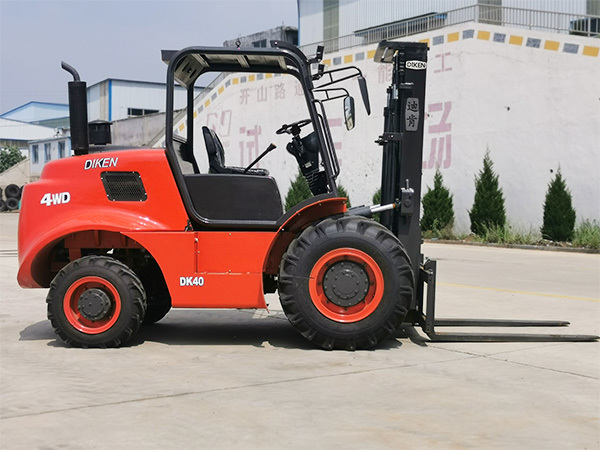
A 2.5-ton all-terrain forklift is a versatile machine designed to operate on various surfaces, including uneven and challenging terrains. Its robust construction and specialized tires allow it to handle heavy loads while providing stability and maneuverability. These forklifts are essential in industries such as construction, agriculture, and logistics, where adaptability and strength are crucial. Understanding the unique features of all-terrain forklifts, such as their four-wheel drive and extended reach capabilities, is fundamental for effective operation.
2. Safety First: Why It Matters
Operating a forklift safely is paramount to prevent accidents and injuries. Forklift-related incidents can lead to severe consequences, not just for the operator but also for nearby workers. Prioritizing safety helps create a secure working environment and enhances overall productivity. Implementing safety measures reduces the risk of equipment damage, material loss, and workplace injuries. By fostering a culture of safety, operators can minimize hazards and ensure that all personnel are aware of their responsibilities while working around forklifts.
3. Pre-Operation Checklist for 2.5 Ton Forklifts
Before operating a 2.5-ton all-terrain forklift, a thorough pre-operation checklist is essential to ensure the machine is in optimal condition. Key points to focus on include:
- Visual Inspection: Check for visible damage, leaks, and loose parts.
- Fluid Levels: Verify that hydraulic fluid, engine oil, and fuel are at appropriate levels.
- Tires: Inspect tires for wear and proper inflation.
- Safety Features: Ensure all safety features, like lights, horns, and seat belts, are functional.
- Load Capacity: Confirm that the load does not exceed the forklift’s weight capacity.
By performing this checklist, operators can identify potential issues before they become serious problems, ensuring safe operation throughout the day.
4. Operational Safety Tips for All Terrain Forklifts
Operating a 2.5-ton all-terrain forklift requires adherence to specific safety protocols. Here are crucial operational safety tips:
- Training and Certification: Ensure all operators are properly trained and certified to handle forklifts.
- Use of Seat Belts: Always wear a seat belt while operating the forklift to enhance safety.
- Awareness of Surroundings: Stay vigilant of pedestrians, other vehicles, and obstacles in the work area.
- Speed Control: Operate the forklift at safe speeds, especially on uneven terrain.
- Proper Load Handling: Maintain a clear view when maneuvering and ensure loads are balanced and secure.
By following these operational safety tips, operators can significantly reduce the likelihood of accidents.
5. Navigating Different Terrains
All-terrain forklifts are designed to navigate various surfaces, but adaptability is key. Operators must understand how to adjust their driving techniques based on the terrain:
- Soft Ground: On soft or muddy ground, reduce speed and avoid abrupt movements to prevent getting stuck.
- Inclines and Declines: Always drive uphill with the load facing uphill, and never drive downhill with the load facing downhill.
- Rough Terrain: Approach rough terrain slowly and maintain a firm grip on the controls to maintain stability.
- Slopes: When on slopes, ensure proper weight distribution and avoid sudden stops to maintain control.
Understanding how to effectively navigate different terrains will enhance both safety and operational efficiency.
6. Load Handling Best Practices
Proper load handling is critical for safe operations. Here are best practices for handling loads with a 2.5-ton all-terrain forklift:
- Load Assessment: Always assess the load before lifting to determine weight, size, and stability.
- Center of Gravity: Keep the load as low as possible to maintain a lower center of gravity.
- Fork Positioning: Ensure the forks are positioned correctly under the load for balance and stability.
- Securing Loads: Use straps or other securing methods to keep loads stable during transport.
- Communicating: Use hand signals or radios to communicate with ground personnel when moving loads.
Adhering to these best practices promotes safety and efficiency during load handling operations.
7. Importance of Regular Maintenance
Regular maintenance is vital for ensuring the longevity and safety of a 2.5-ton all-terrain forklift. Implementing a maintenance schedule helps identify issues early and prevents breakdowns. Key maintenance activities include:
- Routine Inspections: Conduct regular inspections to check for wear and tear.
- Fluid Changes: Change hydraulic fluid and oil as recommended by the manufacturer.
- Tire Maintenance: Regularly check tire pressure and condition to ensure optimal performance.
- Battery Care: Monitor battery performance and charging schedules to prevent failures.
- Professional Servicing: Schedule professional servicing for comprehensive checks and repairs.
Regular maintenance not only prolongs the life of the forklift but also ensures that safety standards are met consistently.
8. Emergency Procedures and Protocols
Preparedness for emergencies is crucial when operating a 2.5-ton all-terrain forklift. Establishing clear emergency procedures can save lives and minimize damage. Important protocols include:
- Emergency Shutdown: Know how to quickly shut down the forklift in an emergency.
- Evacuation Routes: Familiarize all operators with designated evacuation routes in case of an incident.
- First Aid Training: Ensure operators are trained in basic first aid to respond to injuries effectively.
- Accident Reporting: Establish a clear procedure for reporting accidents and near-misses to improve safety practices.
- Regular Drills: Conduct regular emergency drills to reinforce training and preparedness.
By having these procedures in place, operators can react swiftly and effectively to emergencies, enhancing overall safety.
9. Frequently Asked Questions
What is the maximum load capacity of a 2.5-ton all-terrain forklift?
The maximum load capacity is typically around 2,500 kilograms, but always refer to the manufacturer’s specifications to confirm.
How do I improve my forklift operation skills?
Improving skills involves ongoing training, practice, and adherence to safety protocols. Consider enrolling in advanced forklift operation courses.
What should I do if the forklift tips over?
If the forklift tips over, remain inside the vehicle, keep your seatbelt fastened, and brace for impact. After the situation stabilizes, call for help.
Is it necessary to wear a hard hat while operating a forklift?
While not always required, wearing a hard hat is advisable in environments where head injuries could occur due to overhead hazards.
How often should I perform maintenance on my forklift?
Regular maintenance should be conducted based on manufacturer recommendations, but a good practice is to inspect the forklift daily and perform comprehensive maintenance every few months.
10. Conclusion
Operating a 2.5-ton all-terrain forklift safely requires a combination of knowledge, skill, and adherence to safety protocols. By understanding the unique features of all-terrain forklifts and implementing best practices in operation, maintenance, and emergency preparedness, operators can significantly reduce the risk of accidents and enhance productivity. Prioritizing safety not only protects operators but also contributes to a more efficient and secure working environment. Embrace these essential tips and commit to ongoing education and training to excel in your forklift operations.
Keywords: 2.5 ton all terrain forklift



Shandong Diken Heavy Industry Co., Ltd. is a professional manufacturer of cross-country material handling equipment in China. We are located in Shandong Province, China, specializing in the manufacture of handling and loading equipment suitable for agriculture
Contact Information
Starting from the west section of Taishan Street, Daiyue District, Tai'an City, Shandong Province