




Diken news
How to Train Your Team on Rough Terrain Forklift Operation: A Complete Guide for Success
Release time: 2026-05-14
How to Train Your Team on Rough Terrain Forklift Operation
Table of Contents
- Understanding Rough Terrain Forklifts
- The Importance of Training Your Team
- Key Safety Measures for Rough Terrain Operation
- Pre-Training Preparation Steps
- Effective Training Methodologies
- Implementing Hands-On Practice
- Ongoing Training and Assessment
- Conclusion
- FAQs
Understanding Rough Terrain Forklifts
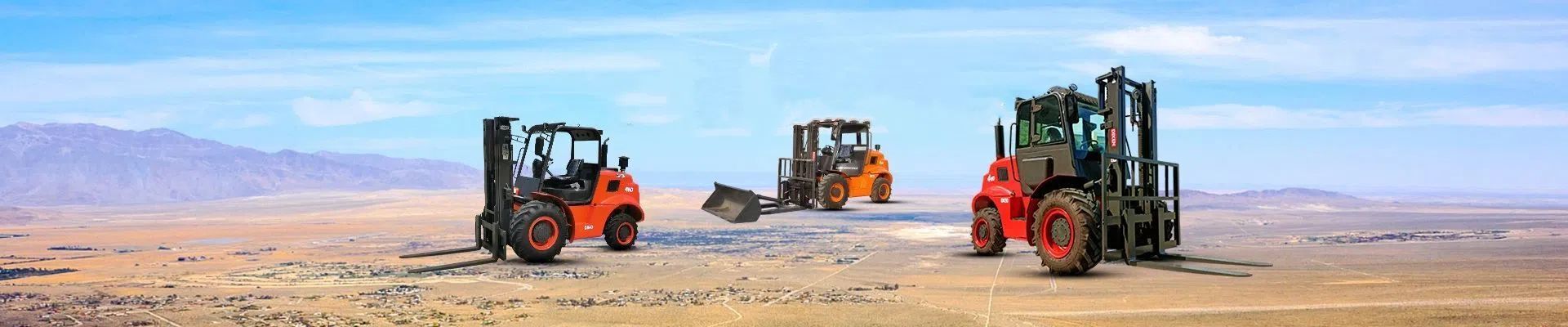
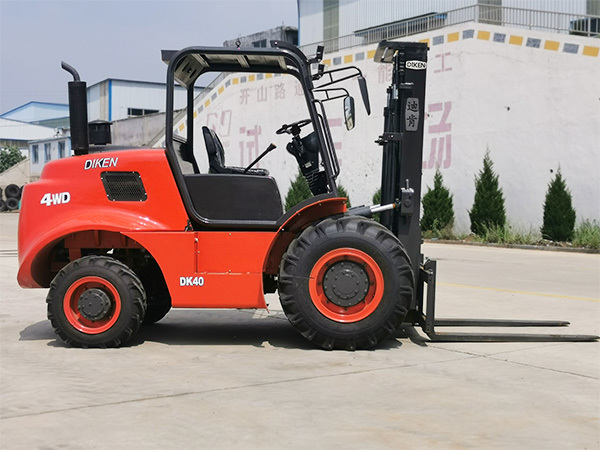
Rough terrain forklifts are specialized machines designed to operate in rugged, uneven environments where standard forklifts cannot perform efficiently. These forklifts are equipped with large, rugged tires that provide superior traction and stability on various surfaces, including gravel, mud, and dirt. Understanding the unique features and capabilities of these machines is crucial for effective training.
The key characteristics of rough terrain forklifts include:
- **High Ground Clearance**: This allows the forklift to navigate over obstacles without getting stuck.
- **4-Wheel Drive**: Provides enhanced traction and stability when traversing uneven terrain.
- **Robust Build**: Designed to withstand harsh conditions and heavy loads.
Familiarizing your team with these features will enhance their confidence and ability to operate these machines effectively.
The Importance of Training Your Team
Training your team on rough terrain forklift operation is not merely a regulatory requirement; it is a fundamental investment in your workforce's safety and efficiency. Proper training leads to:
- **Enhanced Safety**: Reducing the risk of accidents and injuries associated with improper operation.
- **Increased Productivity**: Skilled operators can handle materials more efficiently, leading to better workflow.
- **Reduced Equipment Damage**: Knowledgeable operators can minimize wear and tear on machinery.
By prioritizing training, you not only protect your employees but also promote a culture of safety and professionalism within your organization.
Key Safety Measures for Rough Terrain Operation
Before initiating any training program, it is essential to emphasize safety measures that must be adhered to when operating rough terrain forklifts. Key safety protocols include:
Conduct Pre-Operational Checks
Operators should perform daily inspections of the forklift to ensure it is in good working condition. This includes checking:
- **Fluid Levels**: Ensure hydraulic fluid, oil, and fuel levels are appropriate.
- **Tires**: Inspect for wear and proper inflation.
- **Brakes**: Test brakes to confirm they are functioning correctly.
Wear Appropriate Personal Protective Equipment (PPE)
Ensure that all operators wear the appropriate PPE, including hard hats, safety boots, and high-visibility vests, to protect against potential hazards.
Maintain a Clear Training Area
When training, choose a designated area free of unnecessary obstacles and distractions. This enhances focus and safety during practice sessions.
Pre-Training Preparation Steps
Before the actual training begins, comprehensive preparation is vital. This includes:
Assessing Training Needs
Evaluate your team's current skill levels and knowledge of rough terrain forklifts. Identify gaps that the training program should address.
Developing a Training Program
Create a structured training program that encompasses both theoretical knowledge and practical applications. Incorporate the following elements:
- **Regulatory Requirements**: Familiarize trainees with OSHA regulations and industry standards.
- **Forklift Operation Basics**: Cover the fundamental principles of forklift operation, including controls and maneuvering techniques.
Gathering Training Materials
Prepare training materials, including manuals, videos, and instructional guides. Visual aids can enhance understanding and retention of information.
Effective Training Methodologies
Adopting a variety of training methodologies can cater to diverse learning styles within your team. Effective strategies include:
Classroom Instruction
Start with classroom sessions that cover the theoretical aspects of rough terrain forklift operation. This should include:
- **Safety Regulations**: Discuss the importance of safety and the consequences of negligence.
- **Forklift Mechanics**: Teach the basic workings of the forklift and how to troubleshoot common issues.
Interactive Workshops
Conduct workshops that encourage hands-on interaction with the equipment. This can include:
- **Simulations**: Use simulation software to allow operators to practice in a controlled environment.
- **Group Discussions**: Encourage team members to share their experiences and challenges related to forklift operation.
Implementing Hands-On Practice
Once your team has acquired theoretical knowledge, it is crucial to provide ample hands-on practice. This phase can be broken down into several components:
Controlled Environment Practice
Start training in a controlled environment, such as a designated training area with minimal hazards. Focus on:
- **Basic Maneuvering**: Teach operators to navigate simple obstacles.
- **Load Handling**: Practice lifting and stacking different loads to build confidence.
Real-World Scenarios
Gradually introduce operators to real-world scenarios by allowing them to operate the forklift in more challenging environments. Encourage them to:
- **Navigate Uneven Terrain**: Train on how to manage various surfaces while maintaining stability.
- **Handle Adverse Weather Conditions**: Discuss strategies for operating in rain or mud to enhance adaptability.
Ongoing Training and Assessment
Training does not end after the initial program. Continuous improvement is necessary to ensure safety and efficiency. Implement the following strategies:
Regular Refresher Courses
Schedule periodic refresher courses to keep skills sharp and knowledge current. This reinforces safe practices and addresses any changes in regulations.
Performance Evaluations
Conduct regular performance evaluations to assess each operator's skills. Provide constructive feedback and identify areas for improvement.
Encourage Open Communication
Promote a culture of open communication where operators can report issues, share experiences, and seek guidance.
Conclusion
Training your team on rough terrain forklift operation is a crucial aspect of ensuring workplace safety and operational efficiency. By understanding the unique characteristics of rough terrain forklifts, implementing effective training methodologies, and prioritizing safety measures, your organization can significantly reduce the risk of accidents and improve productivity. Remember that ongoing training and open communication are vital for fostering a culture of safety and excellence in your workplace. Invest in your team's skills today to ensure a safer and more efficient tomorrow.
FAQs
1. What are the main differences between standard forklifts and rough terrain forklifts?
Standard forklifts are designed for smooth, flat surfaces, while rough terrain forklifts are built for uneven and challenging environments, featuring larger tires and enhanced stability.
2. How often should training be conducted?
Training should be conducted initially for new operators and periodically for all employees as a refresher, at least once a year or whenever there are changes in equipment or regulations.
3. What should be included in a rough terrain forklift training program?
A comprehensive program should cover safety protocols, operational techniques, maintenance checks, and hands-on practice in various environments.
4. Are there specific certifications required for operating rough terrain forklifts?
Yes, operators typically need to be certified according to OSHA standards or local regulations, which often involve completing a training course and passing a practical assessment.
5. How can I ensure my team is safe while operating rough terrain forklifts?
Implement strict safety protocols, conduct regular inspections, encourage the use of personal protective equipment (PPE), and provide thorough training to ensure operators are well-prepared.
Keywords: rough terrain forklift



Shandong Diken Heavy Industry Co., Ltd. is a professional manufacturer of cross-country material handling equipment in China. We are located in Shandong Province, China, specializing in the manufacture of handling and loading equipment suitable for agriculture
Contact Information
Starting from the west section of Taishan Street, Daiyue District, Tai'an City, Shandong Province
Business license