




Diken news
Exploring the Versatility of All Terrain Forklifts in Agricultural Operations
Release time: 2024-08-13
Exploring the Versatility of All Terrain Forklifts in Agricultural Operations
Table of Contents
- Understanding All Terrain Forklifts
- Key Features of All Terrain Forklifts
- Advantages of All Terrain Forklifts in Agriculture
- Applications of All Terrain Forklifts in Agriculture
- Choosing the Right All Terrain Forklift for Your Farm
- Maintenance and Care for All Terrain Forklifts
- Safety Tips for Using All Terrain Forklifts
- Future Trends in All Terrain Forklifts
- Conclusion
- FAQs
Understanding All Terrain Forklifts
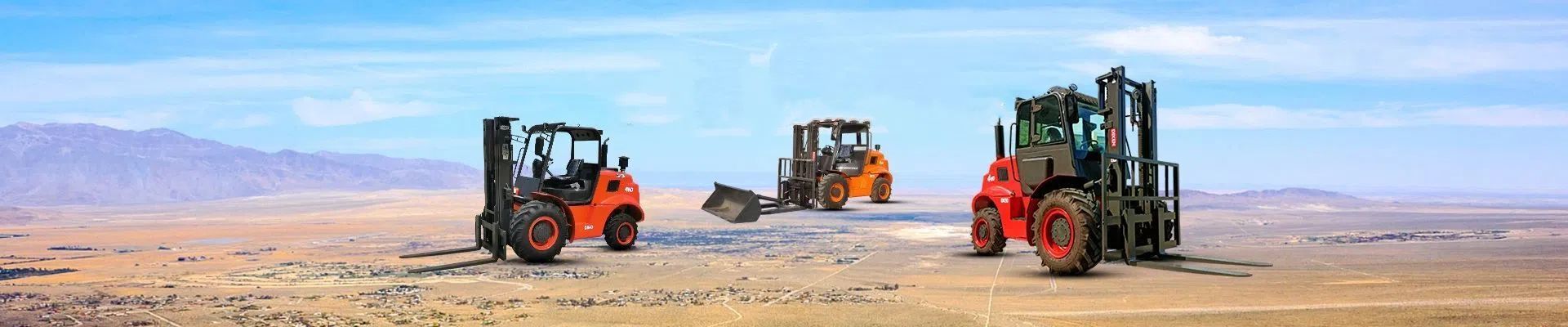
All terrain forklifts, designed for challenging environments, provide unmatched versatility in agricultural operations. Unlike standard forklifts, all terrain variants are equipped with features that allow them to traverse uneven terrains and handle heavy loads efficiently. These machines are characterized by larger tires, higher ground clearance, and a four-wheel drive system, enabling them to operate in diverse conditions such as muddy fields, rocky landscapes, and steep inclines.
Key Features of All Terrain Forklifts
One of the standout features of all terrain forklifts is their **robust construction**. Built to withstand the rigors of agricultural tasks, these forklifts often come with:
Powerful Engine Performance
Equipped with high-torque engines, all terrain forklifts deliver the necessary power to lift heavy loads while maintaining stability on uneven surfaces.
Superior Traction and Stability
The **large, aggressive tires** and four-wheel drive capabilities ensure excellent traction, allowing these forklifts to navigate through mud, snow, and rough ground without slipping.
Enhanced Lifting Capacity
Many models boast impressive lifting capacities, often exceeding 5,000 pounds, making them ideal for transporting bulk materials such as feed, seed, and equipment.
Versatile Attachment Options
The ability to use various attachments, including pallet forks, buckets, and bale clamps, enhances the functionality of all terrain forklifts, allowing for a wide range of applications in farming operations.
Advantages of All Terrain Forklifts in Agriculture
Integrating all terrain forklifts into agricultural operations presents several compelling advantages:
Increased Efficiency
By facilitating quicker transport of materials around the farm, these forklifts boost overall productivity. This efficiency is particularly important during peak seasons when time is of the essence.
Cost-Effectiveness
Investing in an all terrain forklift can reduce labor costs. Fewer personnel are needed to move heavy items, and one machine can accomplish tasks that would typically require multiple pieces of equipment.
Enhanced Safety
With their advanced features, all terrain forklifts minimize the risk of accidents related to material handling. Their stability and traction capabilities reduce the likelihood of tipping over on uneven ground.
Adaptability to Various Conditions
These forklifts are designed to operate in a wide range of environments, making them suitable for diverse agricultural settings, whether working in orchards, fields, or farms with rugged terrains.
Applications of All Terrain Forklifts in Agriculture
The versatility of all terrain forklifts allows them to be used in numerous agricultural tasks:
Material Handling
From transporting feed and fertilizer to moving tools and equipment, all terrain forklifts excel in various material handling capacities.
Loading and Unloading
These forklifts are indispensable for loading and unloading goods from trucks, especially in areas where conventional forklifts may struggle due to space or surface conditions.
Landscaping and Site Preparation
In addition to agricultural uses, all terrain forklifts can assist in landscaping tasks, such as moving soil, rocks, and plants, and preparing sites for new agricultural projects.
Harvesting Assistance
During harvest time, all terrain forklifts can transport harvested crops quickly and efficiently, ensuring that produce is moved from fields to storage in a timely manner.
Choosing the Right All Terrain Forklift for Your Farm
Selecting the appropriate all terrain forklift requires consideration of several factors:
Capacity Requirements
Evaluate the maximum weight you need to lift and transport. Choose a model that can comfortably handle more than your heaviest loads.
Terrain Conditions
Analyze the typical conditions of your farm. If you frequently encounter steep hills or muddy fields, prioritize forklifts with higher ground clearance and enhanced traction features.
Attachment Compatibility
Ensure that the forklift can accommodate the attachments you plan to use. This flexibility will enhance the machine’s utility across different tasks.
Budget Considerations
Determine your budget, factoring in not only the purchase price but also ongoing maintenance and operational costs.
Maintenance and Care for All Terrain Forklifts
Proper maintenance is crucial to ensuring the longevity and efficiency of all terrain forklifts:
Regular Inspections
Conduct routine inspections to check for wear and tear on tires, brakes, and hydraulic systems. Addressing minor issues early can prevent costly repairs.
Fluid Checks
Regularly check and change fluids, including engine oil, hydraulic fluid, and coolant, to keep the forklift running smoothly.
Tire Maintenance
Monitor tire pressure and tread condition, as proper inflation and tread depth significantly influence traction and stability.
Cleaning
Keep the forklift clean, particularly after operating in muddy or dirty conditions, to prevent build-up that can affect performance.
Safety Tips for Using All Terrain Forklifts
Safety should always be a top priority when operating all terrain forklifts:
Training and Certification
Ensure that all operators are properly trained and certified to handle forklifts. Regular training updates can reinforce safe practices.
Load Stability
Always ensure that loads are balanced and secure before moving. Overloading or uneven loads can lead to accidents.
Visibility
Operators should maintain clear visibility while driving. Use spotters when necessary, especially in crowded or complex environments.
Emergency Procedures
Be aware of emergency procedures in case of an accident or equipment failure. Having a plan in place can save lives and minimize damage.
Future Trends in All Terrain Forklifts
The agricultural industry is rapidly evolving, and so are all terrain forklifts:
Technological Advancements
Expect to see more integration of technology, such as GPS tracking and telematics, which can improve operational efficiency and equipment management.
Eco-Friendly Designs
With a growing emphasis on sustainability, manufacturers are increasingly focusing on creating eco-friendly models that reduce emissions and enhance fuel efficiency.
Automation
The future may also see the rise of automated all terrain forklifts, which can perform tasks with minimal human intervention, offering increased efficiency and safety.
Conclusion
All terrain forklifts play a pivotal role in enhancing agricultural operations by providing unmatched versatility, efficiency, and safety. Their ability to navigate challenging terrains while handling heavy loads makes them indispensable in the agricultural landscape. By understanding their features, applications, and the importance of proper maintenance, farmers can make informed decisions that will ultimately boost productivity and ensure the success of their agricultural endeavors.
FAQs
1. What is the primary function of an all terrain forklift in agriculture?
The primary function of an all terrain forklift in agriculture is to efficiently transport and handle materials, such as feed, fertilizer, and equipment, across challenging and uneven terrain.
2. How do I choose the right all terrain forklift for my needs?
When choosing an all terrain forklift, consider factors such as lifting capacity, terrain conditions, attachment compatibility, and your budget.
3. What maintenance practices should I follow for my all terrain forklift?
Regular inspections, fluid checks, tire maintenance, and cleaning are essential practices to ensure your all terrain forklift operates efficiently and has a long lifespan.
4. Are all terrain forklifts safe to operate?
Yes, all terrain forklifts are safe when operated by trained personnel who follow safety protocols, including maintaining load stability and ensuring proper visibility.
5. What future trends can we expect in the all terrain forklift industry?
Future trends in the all terrain forklift industry may include technological advancements, eco-friendly designs, and increased automation in operations.
Keywords: all terrain forklift




Shandong Diken Heavy Industry Co., Ltd. is a professional manufacturer of cross-country material handling equipment in China. We are located in Shandong Province, China, specializing in the manufacture of handling and loading equipment suitable for agriculture
Contact Information
Starting from the west section of Taishan Street, Daiyue District, Tai'an City, Shandong Province
Business license