




Diken news
Exploring the Versatility of All Terrain Forklifts in Agriculture
Release time: 2024-08-14
In the agricultural sector, efficiency and adaptability are essential for success, particularly when it comes to handling heavy loads in challenging environments. This is where all terrain forklifts come into play. Designed to excel in various terrains, these versatile machines are perfect for the diverse needs of the agricultural landscape.
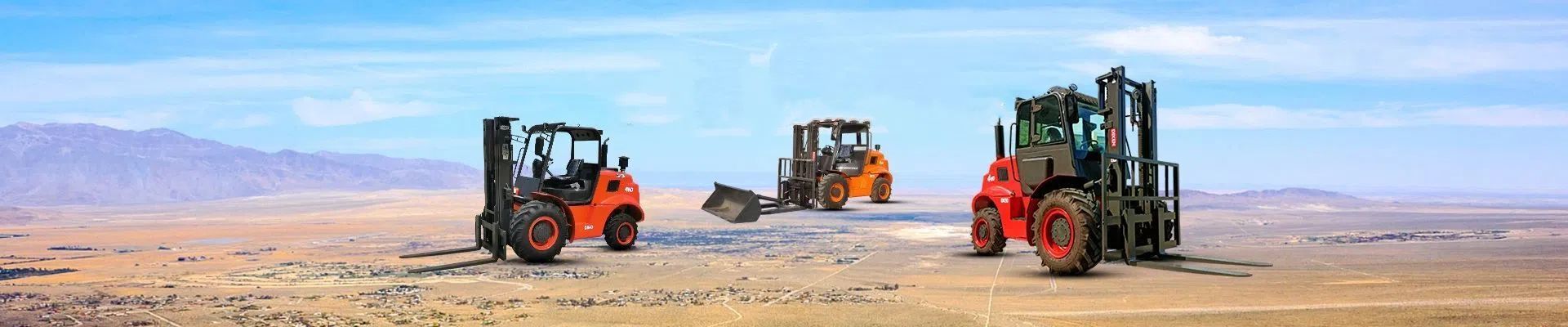
All terrain forklifts, as the name suggests, are engineered to operate effectively on uneven and rugged ground. This characteristic makes them particularly valuable in agriculture, where fields may be muddy after rainfall or uneven due to plowing activities. Equipped with large, rugged tires, these forklifts provide excellent traction and stability, allowing operators to maneuver safely and efficiently across different surfaces.
One of the primary advantages of all terrain forklifts is their ability to lift and transport heavy loads over challenging grounds. In agricultural settings, this capability is vital for moving materials such as feed, fertilizer, or harvested crops. With their robust lifting capacity, all terrain forklifts can handle the demands of farm operations, whether in a warehouse or directly in the fields.
Moreover, all terrain forklifts are not limited to just lifting and transporting. Many models come with various attachments and accessories, allowing them to perform multiple functions. For example, farmers can add pallet forks, bales spikes, or even buckets to their forklifts, broadening their utility beyond mere load lifting. This adaptability allows for greater flexibility in operations, enabling farmers to efficiently manage tasks without needing multiple machines.
Safety is another important consideration in agricultural operations, and all terrain forklifts are designed with this in mind. They often feature enhanced stability systems, operator protection features, and easy-to-use control systems, making them accessible for all skill levels. This focus on safety helps reduce the risk of accidents, ensuring that farm operations can proceed smoothly.
Additionally, the use of all terrain forklifts can significantly reduce labor costs. By enabling fewer workers to perform tasks that would typically require more manpower, these machines streamline operations and enhance productivity. This efficiency is crucial in the competitive agricultural market, where maximizing output while minimizing costs is vital for profitability.
In conclusion, all terrain forklifts represent a valuable asset in agriculture, offering versatility, efficiency, and enhanced safety. Their ability to navigate challenging terrains while lifting heavy loads makes them an indispensable tool for farmers. As agriculture continues to evolve, the role of all terrain forklifts will likely grow, making them an important consideration for anyone in the field looking to enhance their operational capabilities.
Keywords: all terrain forklift




Shandong Diken Heavy Industry Co., Ltd. is a professional manufacturer of cross-country material handling equipment in China. We are located in Shandong Province, China, specializing in the manufacture of handling and loading equipment suitable for agriculture
Contact Information
Starting from the west section of Taishan Street, Daiyue District, Tai'an City, Shandong Province
Business license