




Diken news
How Rough Terrain Forklifts Enhance Warehouse Efficiency: A Comprehensive Guide
Release time: 2024-10-02
How Rough Terrain Forklifts Enhance Warehouse Efficiency
Table of Contents
- 1. Introduction to Rough Terrain Forklifts
- 2. Understanding the Benefits of Rough Terrain Forklifts
- 3. Ideal Applications for Rough Terrain Forklifts in Warehousing
- 4. Key Features That Boost Efficiency
- 5. Safety Enhancements and Industry Regulations
- 6. Best Practices for Utilizing Rough Terrain Forklifts
- 7. Maintenance and Upkeep for Longevity
- 8. Future Trends in Warehouse Operations and Forklift Technology
- 9. FAQs
- 10. Conclusion
1. Introduction to Rough Terrain Forklifts
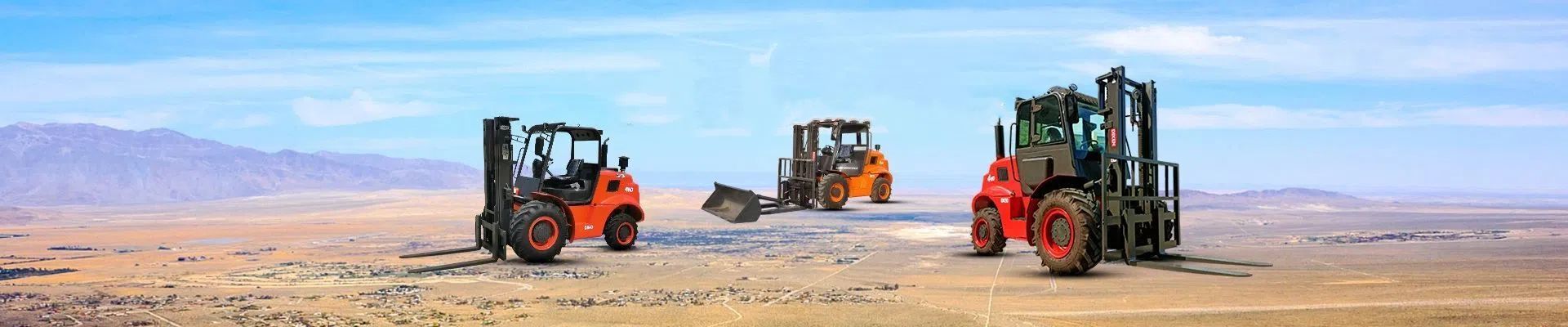
Rough terrain forklifts are specialized lifting machines designed to operate in uneven or rugged outdoor surfaces. Unlike standard forklifts, which excel in smooth warehouse environments, rough terrain forklifts are equipped with larger wheels, higher ground clearance, and enhanced traction capabilities. This makes them invaluable for warehouses that handle heavy loads in challenging conditions, such as construction sites, outdoor storage yards, or agricultural facilities. By integrating rough terrain forklifts into warehouse operations, businesses can significantly boost efficiency and productivity.
2. Understanding the Benefits of Rough Terrain Forklifts
Rough terrain forklifts offer numerous advantages that contribute to warehouse efficiency:
2.1 Enhanced Mobility
The ability to traverse rough and uneven surfaces allows these forklifts to reach remote areas of a warehouse or outdoor storage location, which is often inaccessible to standard forklifts. This mobility ensures that goods can be transported quickly and efficiently.
2.2 Increased Load Capacity
Rough terrain forklifts are designed to handle heavier loads compared to their conventional counterparts. With a higher lifting capacity, they reduce the number of trips required for moving large items, ultimately saving time and resources.
2.3 Versatility Across Various Industries
These forklifts are not just limited to specific applications; they are versatile machines that serve multiple industries, including construction, agriculture, and logistics. Their adaptability makes them a wise investment for warehouses that handle diverse goods.
3. Ideal Applications for Rough Terrain Forklifts in Warehousing
Understanding when and where to deploy rough terrain forklifts can amplify their benefits. Here are some ideal applications:
3.1 Outdoor Warehousing
Warehouses positioned outdoors or those with extensive outdoor storage areas can benefit immensely from rough terrain forklifts. They can navigate gravel, grass, and dirt surfaces, making them suitable for landscaping materials or agricultural products.
3.2 Construction Sites
Construction materials often need to be moved between various points on a job site. Rough terrain forklifts excel in this environment, transporting heavy materials like concrete blocks, steel beams, and more across uneven terrains.
3.4 Event Setup and Management
Events requiring heavy equipment, stages, or temporary structures often utilize rough terrain forklifts for efficient setup. Their ability to maneuver in varied environments makes them ideal for such tasks.
4. Key Features That Boost Efficiency
Several essential features enhance the performance of rough terrain forklifts. Understanding these can help businesses choose the right model for their needs.
4.1 All-Terrain Tires
The all-terrain tires on these forklifts are designed to provide superior traction and stability on uneven surfaces. This feature minimizes the risk of tipping over and enhances safety when transporting heavy loads.
4.2 Adjustable Fork Heights
Many rough terrain forklifts come with adjustable fork heights, allowing operators to lift goods at varying levels efficiently. This adaptability helps streamline operations, especially in stacking scenarios.
4.3 Robust Chassis Design
The robust chassis of rough terrain forklifts allows them to withstand the rigors of outdoor operations. Their durable construction ensures that they can handle heavy loads without compromising performance.
5. Safety Enhancements and Industry Regulations
Safety is paramount in any warehouse operation. Rough terrain forklifts come equipped with several safety features:
5.1 Operator Protection Systems
Many models feature rollover protection systems (ROPS) and falling object protection systems (FOPS) to safeguard operators in case of accidents. These safety measures are crucial for minimizing workplace injuries.
5.2 Regular Maintenance Compliance
Adhering to industry regulations requires regular maintenance checks. Ensuring that rough terrain forklifts are always in good working order not only promotes safety but also enhances longevity.
6. Best Practices for Utilizing Rough Terrain Forklifts
To maximize the benefits of rough terrain forklifts, warehouses should adopt specific best practices:
6.1 Training and Certification
Proper training and certification of operators are essential. This ensures that personnel are equipped to handle the complexities of operating rough terrain forklifts safely and effectively.
6.2 Monitoring Load Limits
Understanding the load limits and ensuring they are never exceeded is critical to maintaining operational safety. Regular assessments can prevent accidents and equipment damage.
7. Maintenance and Upkeep for Longevity
Routine maintenance is vital for ensuring that rough terrain forklifts operate efficiently:
7.1 Scheduled Inspections
Implementing a schedule for inspections helps catch potential issues before they become significant problems. Regular checks of tires, brakes, and hydraulic systems are crucial.
7.2 Lubrication and Cleaning
Proper lubrication and regular cleaning can extend the life of the forklift. Keeping moving parts well-lubricated reduces wear and tear, ensuring longevity and reliability.
8. Future Trends in Warehouse Operations and Forklift Technology
The future of warehouse operations is evolving with technological advancements:
8.1 Automation and Robotics
As automation becomes more prevalent in warehouses, integrating rough terrain forklifts with robotic systems may become commonplace. This integration can enhance efficiency and reduce labor costs.
8.2 Eco-Friendly Forklift Options
The push for sustainability may lead to more eco-friendly rough terrain forklifts. Electric models that can operate on rough terrain without contributing to environmental pollution are emerging as viable options.
9. FAQs
9.1 What are the primary advantages of using rough terrain forklifts?
Rough terrain forklifts provide enhanced mobility, increased load capacity, and versatility across various industries, making them ideal for outdoor and challenging environments.
9.2 How do rough terrain forklifts compare to standard forklifts?
Rough terrain forklifts are designed for uneven surfaces, while standard forklifts excel in smooth indoor environments. The former offers better traction and stability outdoors.
9.3 Are there specific safety regulations for rough terrain forklift operation?
Yes, operators must adhere to safety regulations, including vehicle inspections, operator training, and compliance with rollover protection standards.
9.4 How can I determine the right rough terrain forklift for my warehouse?
Consider load capacity, the environment in which it will operate, and specific features like adjustable forks and all-terrain tires when selecting a rough terrain forklift.
9.5 What maintenance practices are essential for rough terrain forklifts?
Regular inspections, proper lubrication, and timely repairs are critical to maintaining the efficiency and safety of rough terrain forklifts.
10. Conclusion
Rough terrain forklifts are indispensable tools for enhancing warehouse efficiency, especially in environments characterized by uneven surfaces and heavy loads. By understanding their capabilities, applications, and maintenance needs, businesses can leverage these machines to streamline operations, improve safety, and increase productivity. As the landscape of warehouse operations continues to evolve, investing in the right equipment, including rough terrain forklifts, can set businesses apart in a competitive market.
Keywords: rough terrain forklift




Shandong Diken Heavy Industry Co., Ltd. is a professional manufacturer of cross-country material handling equipment in China. We are located in Shandong Province, China, specializing in the manufacture of handling and loading equipment suitable for agriculture
Contact Information
Starting from the west section of Taishan Street, Daiyue District, Tai'an City, Shandong Province