




Diken news
Mastering the Rough Terrain Forklift: A Comprehensive Guide for Professionals
Release time: 2024-08-08
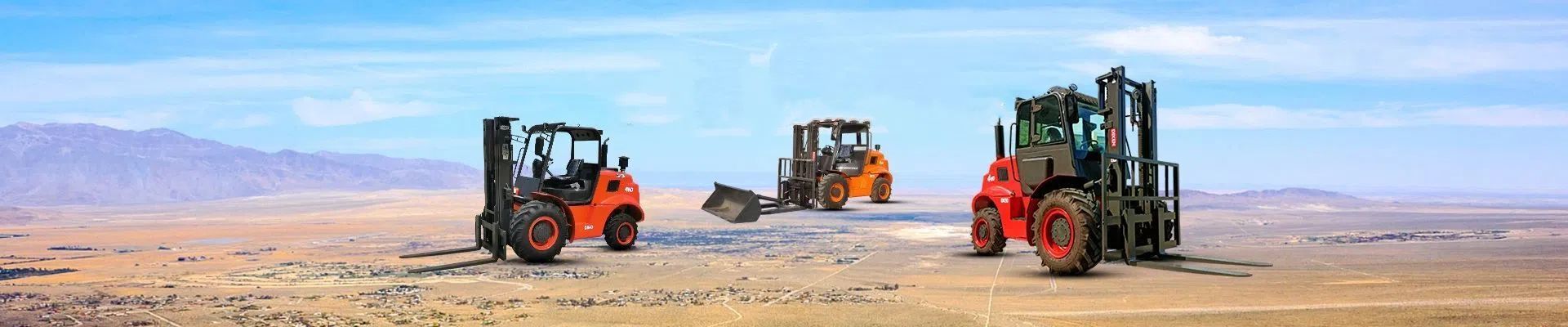
Rough terrain forklifts are specialized vehicles designed to handle the challenges of lifting and transporting materials in uneven and rugged environments. Unlike conventional forklifts, which are optimized for smooth surfaces, rough terrain forklifts come equipped with robust features that allow them to navigate challenging landscapes, such as construction sites, outdoor warehouses, and uneven job sites.
One of the key characteristics of rough terrain forklifts is their enhanced traction and stability. These forklifts typically feature larger, more aggressive tires designed to grip various surfaces, including mud, gravel, and grass. The wider wheelbase also contributes to improved stability, allowing operators to maneuver safely on inclines and uneven ground. This capability is invaluable in applications where traditional forklifts would struggle or be at risk of tipping over.
Another important aspect to consider is the lifting capacity of rough terrain forklifts. While they may be smaller than their industrial counterparts, many models can lift significant loads, often ranging from 3,000 to 10,000 pounds. This versatility makes them suitable for a variety of tasks, from moving heavy construction materials to transporting goods over rough terrain. Furthermore, these forklifts are often equipped with adjustable forks and other attachments that can enhance their functionality, allowing operators to customize them for specific tasks.
Safety is a critical consideration in any material handling operation, and rough terrain forklifts are designed with this in mind. Many models include features such as operator presence sensors, which ensure that the forklift only operates when the operator is safely seated. Additionally, many rough terrain forklifts have enclosed cabs that protect operators from environmental hazards while providing visibility and comfort. These safety features are essential for reducing the risk of accidents in challenging operating conditions.
In terms of maintenance, rough terrain forklifts require specific care to ensure optimal performance. Operators should be trained in the unique maintenance needs of these machines, which may include regular checks of the hydraulic systems, tire conditions, and engine performance. Keeping up with maintenance not only extends the life of the forklift but also enhances safety and operational efficiency.
In conclusion, rough terrain forklifts are invaluable assets in the transportation and warehousing industries, allowing professionals to navigate and operate effectively in challenging environments. By understanding their features, capabilities, and maintenance requirements, operators can maximize the benefits these specialized vehicles offer. Whether you are on a construction site or managing an outdoor storage facility, investing in a rough terrain forklift can significantly enhance your operational efficiency and safety standards.
Keywords: rough terrain forklift




Shandong Diken Heavy Industry Co., Ltd. is a professional manufacturer of cross-country material handling equipment in China. We are located in Shandong Province, China, specializing in the manufacture of handling and loading equipment suitable for agriculture
Contact Information
Starting from the west section of Taishan Street, Daiyue District, Tai'an City, Shandong Province
Business license