




Diken news
Top Benefits of Using All Terrain Forklifts for Farming Equipment
Release time: 2024-10-20
Top Benefits of Using All Terrain Forklifts for Farming Equipment
Table of Contents
- Introduction to All Terrain Forklifts
- 1. Unmatched Versatility in Farming
- 2. Enhanced Efficiency and Productivity
- 3. Durability Built for Tough Conditions
- 4. Safety Features for Operators
- 5. Cost-Effectiveness in the Long Run
- 6. Eco-Friendly Operation
- 7. Low Maintenance Requirements
- Conclusion
- FAQs
Introduction to All Terrain Forklifts
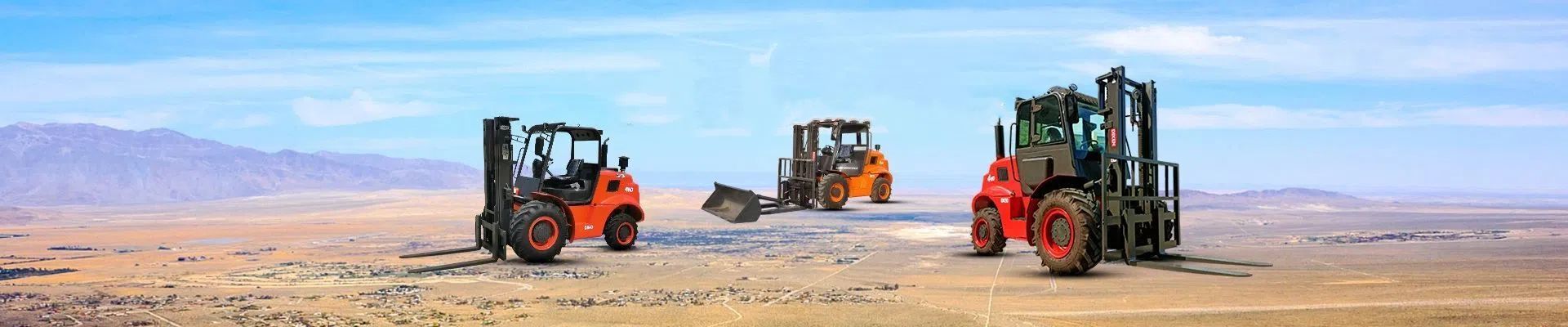
All-terrain forklifts are a vital asset in the agricultural sector, offering unique advantages that traditional forklifts cannot match. With their robust design and exceptional mobility, these machines are engineered to navigate uneven terrain while efficiently handling heavy loads. Understanding the **benefits of using all-terrain forklifts** can help farmers optimize their operations and enhance productivity.
1. Unmatched Versatility in Farming
One of the most significant advantages of all-terrain forklifts is their **versatility**. Designed to operate on various surfaces, including mud, gravel, and uneven fields, these forklifts can handle a wide range of tasks.
Adaptability to Different Farming Needs
Whether you need to lift bales of hay, transport feed, or move equipment around the farm, all-terrain forklifts can be equipped with various attachments to suit different tasks. Their adaptability makes them an invaluable tool for farms of all sizes.
Year-Round Functionality
Unlike traditional forklifts that may be limited to paved surfaces, all-terrain forklifts can function effectively throughout the year, regardless of weather conditions. This ensures that farming operations remain uninterrupted, even during rainy seasons or winter months.
2. Enhanced Efficiency and Productivity
Using all-terrain forklifts can significantly boost farming efficiency. Their design allows for quick and easy maneuvering in tight spaces, enabling operators to complete tasks faster.
Streamlined Operations
All-terrain forklifts can transport materials quickly from one location to another, reducing the time spent on manual labor. This streamlined operation allows farmworkers to focus on other essential tasks, enhancing overall productivity.
Reduced Labor Costs
With enhanced efficiency, farms can reduce labor costs. Fewer workers may be needed to complete tasks, and the time saved translates to cost savings in labor expenses.
3. Durability Built for Tough Conditions
When investing in farming equipment, durability is a crucial consideration. All-terrain forklifts are built to withstand harsh conditions and heavy use.
Rugged Construction
These forklifts typically feature heavy-duty components designed to endure the rigors of agricultural work. From reinforced frames to powerful engines, durability is a hallmark of all-terrain forklifts.
Longevity and Reliability
An all-terrain forklift is an investment that pays off over time. Their long lifespan and reliable performance ensure that farmers can depend on them for years, minimizing downtime and repair costs.
4. Safety Features for Operators
Safety is paramount in any farming operation. All-terrain forklifts come equipped with various safety features designed to protect operators and bystanders alike.
Stability on Uneven Ground
These forklifts are engineered with a low center of gravity, enhancing stability on uneven terrain. This design minimizes the risk of tipping, providing operators with confidence while navigating challenging landscapes.
Advanced Visibility and Controls
All-terrain forklifts often feature large windows and well-placed controls, ensuring operators have a clear view of their surroundings. This increased visibility reduces the likelihood of accidents and enhances overall safety on the job.
5. Cost-Effectiveness in the Long Run
While the initial investment in an all-terrain forklift may be higher than traditional models, they offer substantial cost savings over time.
Decreased Maintenance Costs
All-terrain forklifts are designed with fewer parts that can wear out quickly, leading to lower maintenance costs. Their robust construction also means that they are less likely to suffer from damage during operation.
Improved Resale Value
Due to their durability and versatility, all-terrain forklifts often maintain a higher resale value compared to other types of forklifts. This means that farmers can recoup a larger portion of their investment when it comes time to upgrade or sell.
6. Eco-Friendly Operation
As environmental concerns grow, many farmers are seeking eco-friendly solutions for their operations. All-terrain forklifts can play a significant role in reducing the environmental impact of farming.
Fuel Efficiency
Modern all-terrain forklifts are designed for fuel efficiency, using advanced technology to minimize fuel consumption. This not only reduces operating costs but also lowers greenhouse gas emissions.
Minimal Soil Disturbance
With their ability to navigate rough terrains, all-terrain forklifts cause less soil compaction and disturbance compared to traditional vehicles. This is particularly important for preserving soil health and promoting sustainable farming practices.
7. Low Maintenance Requirements
Another benefit of all-terrain forklifts is their low maintenance requirements. Farmers can focus on their operations without worrying about frequent repairs.
Simple Maintenance Protocols
These forklifts are designed for easy access to critical components, making routine maintenance tasks more manageable. Regular checks can be performed without extensive downtime, keeping your farm running smoothly.
Long-Lasting Performance
The robust design of all-terrain forklifts contributes to their longevity. With fewer breakdowns and longer intervals between service needs, farmers can count on consistent performance throughout their operations.
Conclusion
In conclusion, all-terrain forklifts offer numerous advantages that make them an essential tool for modern farming operations. Their versatility, efficiency, durability, safety features, cost-effectiveness, eco-friendly operation, and low maintenance requirements provide farmers with a comprehensive solution for their material handling needs. By investing in all-terrain forklifts, farmers can enhance productivity, reduce costs, and ensure safer working environments, ultimately contributing to the success of their operations.
FAQs
1. What types of tasks can all-terrain forklifts perform on a farm?
All-terrain forklifts can handle a variety of tasks, including lifting hay bales, transporting feed, moving equipment, and loading and unloading materials.
2. Are all-terrain forklifts suitable for all types of terrain?
Yes, all-terrain forklifts are specifically designed to operate on diverse surfaces, including mud, gravel, and uneven fields, making them ideal for agricultural environments.
3. How do all-terrain forklifts compare to traditional forklifts in terms of safety?
All-terrain forklifts typically offer enhanced safety features, such as improved stability on uneven ground and greater visibility for operators, reducing the risk of accidents.
4. What maintenance is required for all-terrain forklifts?
Routine maintenance includes checking fluid levels, inspecting tires, and ensuring that all components are in good condition. Their design allows for easy access to parts, simplifying maintenance tasks.
5. Can all-terrain forklifts help reduce labor costs on a farm?
Yes, their efficiency and ability to handle multiple tasks can reduce the number of workers needed for certain jobs, leading to lower labor costs overall.
Keywords: all terrain forklift




Shandong Diken Heavy Industry Co., Ltd. is a professional manufacturer of cross-country material handling equipment in China. We are located in Shandong Province, China, specializing in the manufacture of handling and loading equipment suitable for agriculture
Contact Information
Starting from the west section of Taishan Street, Daiyue District, Tai'an City, Shandong Province