




Diken news
Understanding Rough Terrain Forklifts: Enhancing Efficiency in Challenging Environments
Release time: 2024-08-06
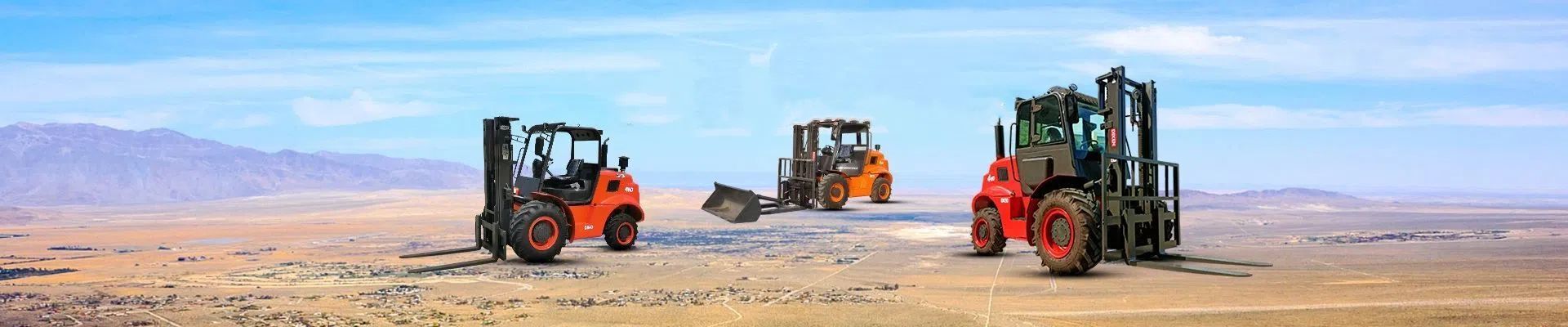
Rough terrain forklifts are specialized vehicles designed to handle lifting and transporting materials on uneven, rugged surfaces. These robust machines are particularly useful in construction sites, outdoor warehouses, and agricultural settings where traditional forklifts may struggle. Understanding the key characteristics and advantages of rough terrain forklifts can greatly enhance efficiency and safety in challenging work environments.
First and foremost, rough terrain forklifts are equipped with large, rugged tires designed to provide excellent traction and stability on uneven ground. This feature allows them to navigate obstacles such as mud, gravel, and slopes that would typically hinder standard forklifts. Additionally, many models come with adjustable wheelbases, which further enhance stability and maneuverability when transporting heavy loads on rough terrains.
Another critical aspect of rough terrain forklifts is their lifting capacity. These forklifts are designed to handle significant weight, often ranging from 5,000 to 10,000 pounds or more, depending on the specific model. This capacity makes them ideal for moving heavy materials, such as pallets of bricks, construction equipment, or large shipments in remote locations where traditional lifting equipment may not be feasible.
Safety is a paramount concern in any workplace, and rough terrain forklifts come equipped with various safety features to protect operators and bystanders. Many models have a low center of gravity, which reduces the risk of tipping over when navigating slopes or uneven surfaces. Additionally, these forklifts often include advanced braking systems, sturdy frames, and operator protection systems to enhance safety during operation.
In terms of versatility, rough terrain forklifts can be fitted with various attachments such as forks, buckets, and even winches, allowing them to perform multiple functions beyond just lifting and moving pallets. This adaptability makes them a valuable asset in various industries, including construction, landscaping, and agriculture.
It is also worth noting that the ease of maintenance for rough terrain forklifts is crucial for ensuring their longevity and efficiency. Regular inspections and servicing can help identify potential issues before they become significant problems, minimizing downtime and maximizing productivity.
In conclusion, rough terrain forklifts play a vital role in enhancing operational efficiency in challenging environments. Their robust construction, impressive lifting capacity, safety features, and versatility make them an indispensable tool for businesses that require reliable material handling solutions on uneven surfaces. Understanding these forklifts' features and benefits can help organizations make informed decisions when incorporating them into their logistics and transportation operations.
Keywords: rough terrain forklift




Shandong Diken Heavy Industry Co., Ltd. is a professional manufacturer of cross-country material handling equipment in China. We are located in Shandong Province, China, specializing in the manufacture of handling and loading equipment suitable for agriculture
Contact Information
Starting from the west section of Taishan Street, Daiyue District, Tai'an City, Shandong Province
Business license