




Diken news
Top Industries That Benefit from Rough Terrain Forklifts
Release time: 2026-03-25
Top Industries That Benefit from Rough Terrain Forklifts
Introduction to Rough Terrain Forklifts
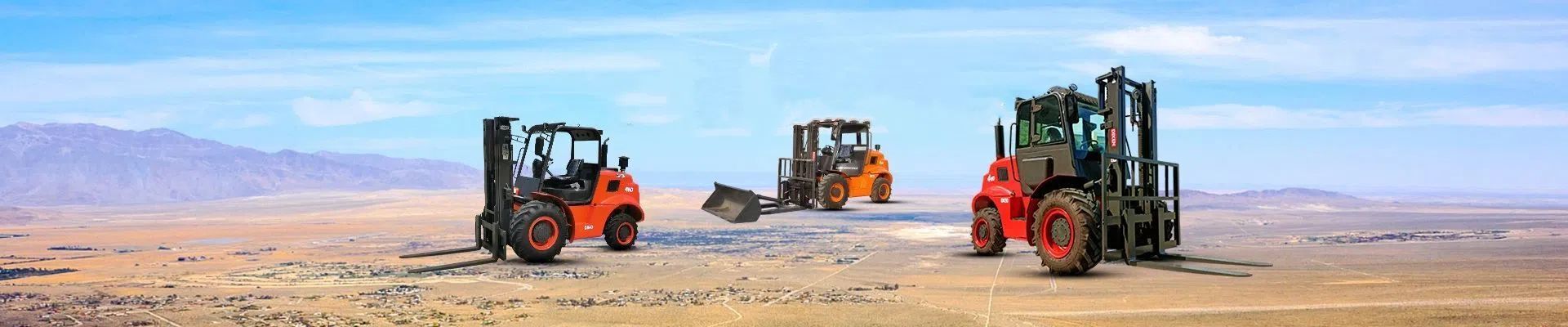
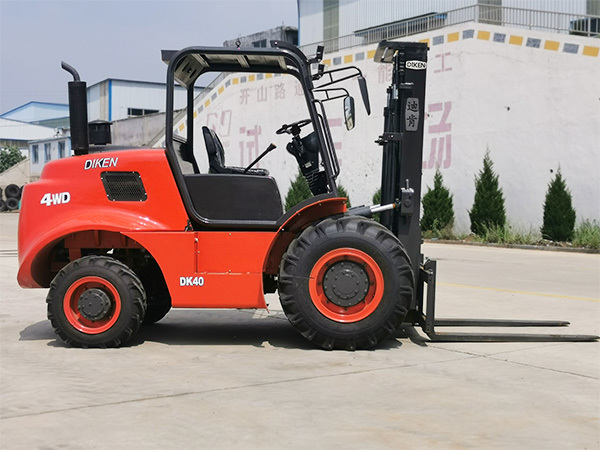
Rough terrain forklifts are specialized machines designed to navigate challenging landscapes typically found on construction sites, farms, and other outdoor settings. These powerful vehicles come equipped with large tires, elevated ground clearance, and robust engines, allowing them to lift heavy loads over uneven surfaces. In this article, we will delve into the various industries that benefit significantly from rough terrain forklifts, highlighting their applications and advantages.
The Versatility of Rough Terrain Forklifts
Rough terrain forklifts stand out for their versatility, making them invaluable in numerous sectors. Their ability to operate on uneven ground, coupled with their high lifting capabilities, allows them to handle various materials and tasks. Below are some of the key industries that utilize rough terrain forklifts extensively.
1. Construction Industry
The construction industry is arguably the largest beneficiary of rough terrain forklifts. These machines facilitate the efficient movement of materials, enabling contractors to streamline operations and maintain project timelines.
Key Applications in Construction
- **Material Handling**: Rough terrain forklifts transport heavy materials like bricks, concrete blocks, and steel beams across construction sites.
- **Site Preparation**: These forklifts can assist in clearing debris and preparing sites for building, saving time and labor costs.
- **Elevated Work Platforms**: Equipped with attachments, rough terrain forklifts can act as elevated platforms for workers to reach high areas safely.
2. Agriculture Sector
In agriculture, rugged terrain is often the norm, making rough terrain forklifts essential for efficient farm operations.
Essential Functions in Agriculture
- **Loading and Unloading**: Farmers use rough terrain forklifts to load supplies such as feed, fertilizer, and equipment onto trucks.
- **Crop Handling**: These forklifts can navigate through fields to assist in transporting harvested crops, enhancing productivity during peak seasons.
- **Livestock Management**: Rough terrain forklifts are also used in handling livestock feed and supplies in pastures that may not be accessible with traditional forklifts.
3. Forestry and Logging
The forestry industry relies heavily on the use of rough terrain forklifts for transporting logs and other materials in rugged environments.
Critical Roles in Forestry
- **Log Stacking**: Rough terrain forklifts efficiently stack logs for easy access and transport, optimizing the logging process.
- **Site Accessibility**: These machines can reach logging sites that are otherwise inaccessible, ensuring that operations can continue smoothly even in challenging conditions.
4. Landscaping and Nursery Operations
Landscaping companies and nurseries often face unique challenges when transporting heavy plants and landscaping materials.
Applications in Landscaping
- **Transporting Plants**: Rough terrain forklifts can move large trees, shrubs, and bulk materials like soil and mulch, enhancing productivity.
- **Site Preparation**: These machines assist in preparing sites for new landscaping projects, making them indispensable for landscape contractors.
5. Mining Industry
The mining sector requires robust and reliable equipment for heavy lifting and transportation across rough terrains.
Mining Applications
- **Material Handling**: Rough terrain forklifts are used to move heavy mining equipment and extracted materials around the site, improving operational efficiency.
- **Safety and Accessibility**: Their ability to navigate difficult landscapes helps ensure that mining operations can continue safely without interruption.
6. Waste Management and Recycling
In the waste management sector, rough terrain forklifts play a crucial role in handling bulky and heavy materials.
Functions in Waste Management
- **Material Transport**: These forklifts transport large volumes of waste and recyclables from collection points to processing facilities.
- **Site Maintenance**: They assist in maintaining clean and organized waste management sites by moving debris and materials as needed.
The Advantages of Using Rough Terrain Forklifts
Adopting rough terrain forklifts provides numerous advantages across various industries. Here are some key benefits:
1. Enhanced Safety
Rough terrain forklifts are designed with safety features that protect operators and workers on site. Their stability on uneven surfaces reduces the risk of tipping over, ensuring safer operation.
2. Increased Efficiency
These forklifts can move heavy loads quickly and efficiently, significantly enhancing productivity on job sites. By reducing manual labor and speeding up material transport, businesses can achieve faster project completion.
3. Versatility and Adaptability
Rough terrain forklifts are versatile machines that can be equipped with different attachments, allowing them to perform various tasks beyond material handling, such as lifting, grading, and digging.
4. Cost-Effectiveness
Investing in rough terrain forklifts can lead to long-term savings. Their ability to operate in diverse environments reduces the need for multiple types of equipment, ultimately lowering operational costs.
Choosing the Right Rough Terrain Forklift
Selecting the appropriate rough terrain forklift for your specific needs is crucial for maximizing benefits. Here are some factors to consider:
1. Load Capacity
Consider the maximum weight you will be lifting regularly. Choose a forklift that can comfortably handle your heaviest loads.
2. Reach and Lift Height
Evaluate the required lift height and reach for your tasks. Ensure the forklift you select can accommodate your operational needs.
3. Terrain Type
Different models are designed for specific terrains. Assess the surfaces you will be operating on to choose a forklift that excels in those conditions.
4. Engine Type
Consider whether a diesel or gas engine best fits your operational environment and fuel availability.
5. Maintenance and Support
Choose a reputable manufacturer that offers comprehensive support and maintenance services. This ensures your equipment remains in excellent working condition over time.
Future Trends in Rough Terrain Forklifts
As industries evolve, so do the technologies behind rough terrain forklifts. Here are some future trends to keep an eye on:
1. Automation and Robotics
The integration of automation technology is expected to enhance the efficiency and safety of rough terrain forklifts. Automated systems can reduce the risk of operator error and streamline operations.
2. Electric and Hybrid Models
With a growing emphasis on sustainability, electric and hybrid rough terrain forklifts are becoming more prevalent. These models offer lower emissions and reduced fuel costs while maintaining performance.
3. Advanced Safety Features
Future models will likely incorporate advanced safety technologies, such as collision detection systems and improved visibility features, further enhancing workplace safety.
Frequently Asked Questions (FAQs)
1. What is a rough terrain forklift?
A rough terrain forklift is a specialized lifting machine designed for use on uneven surfaces, equipped with large tires and high ground clearance to navigate challenging terrains.
2. What industries use rough terrain forklifts?
Key industries include construction, agriculture, forestry, landscaping, mining, and waste management, all of which benefit from the versatile capabilities of rough terrain forklifts.
3. How do I choose the right rough terrain forklift for my needs?
Consider factors such as load capacity, reach, terrain type, engine type, and available maintenance support when selecting a rough terrain forklift.
4. Are rough terrain forklifts safe to operate?
Yes, rough terrain forklifts are designed with safety features that enhance stability and protect operators, making them safe for use in challenging environments.
5. What are the benefits of using rough terrain forklifts?
Benefits include enhanced safety, increased efficiency, versatility, and cost-effectiveness, making them valuable assets in various industries.
Conclusion
Rough terrain forklifts are indispensable machines across several industries, including construction, agriculture, forestry, and beyond. Their ability to handle heavy loads on uneven terrain enhances operational efficiency and safety. By understanding the applications, benefits, and future trends of rough terrain forklifts, businesses can make informed decisions that drive productivity and success. As industries continue to evolve, the role of these powerful machines will only become more significant, underscoring their importance in modern operations.
Keywords: rough terrain forklift,rough terrain forklift oem



Shandong Diken Heavy Industry Co., Ltd. is a professional manufacturer of cross-country material handling equipment in China. We are located in Shandong Province, China, specializing in the manufacture of handling and loading equipment suitable for agriculture
Contact Information
Starting from the west section of Taishan Street, Daiyue District, Tai'an City, Shandong Province