





Diken news
Maximizing Productivity with Rough Terrain Forklifts in Logistics: A Comprehensive Guide
Release time: 2025-12-15
Maximizing Productivity with Rough Terrain Forklifts in Logistics
Table of Contents
- Introduction to Rough Terrain Forklifts
- Understanding the Benefits of Rough Terrain Forklifts
- How Rough Terrain Forklifts Work
- Key Features of Rough Terrain Forklifts
- Maximizing Productivity with Rough Terrain Forklifts
- Best Practices for Using Rough Terrain Forklifts in Logistics
- Safety Measures When Operating Rough Terrain Forklifts
- The Future of Rough Terrain Forklifts in Logistics
- FAQs about Rough Terrain Forklifts
- Conclusion
Introduction to Rough Terrain Forklifts
In the logistics industry, efficiency and adaptability are crucial for the smooth operation of supply chains, especially in environments that present unique challenges. **Rough terrain forklifts** have emerged as indispensable tools for businesses that need to navigate uneven surfaces and harsh conditions. This article delves into how these powerful machines can be leveraged to enhance productivity in logistics operations.
Understanding the Benefits of Rough Terrain Forklifts
Rough terrain forklifts are designed to handle heavy loads and navigate through difficult terrains, which is especially beneficial in various logistics applications. Below are some of the key benefits these forklifts offer:
Enhanced Mobility and Versatility
Rough terrain forklifts boast features that allow them to operate effectively in diverse conditions, including mud, gravel, and slopes. Their robust tires and powerful engines facilitate movement across challenging landscapes, making them ideal for construction sites, outdoor warehouses, and agricultural fields.
Increased Load Capacity
These forklifts are engineered to lift heavy loads, typically ranging from 5,000 to 15,000 pounds or more. This capability is crucial for logistics companies that deal with bulky or dense materials, ensuring that operations run smoothly without compromising safety or performance.
Improved Efficiency
By effectively minimizing the need for multiple types of equipment, rough terrain forklifts can streamline logistics operations. They allow for quicker loading and unloading processes, contributing to faster turnaround times and improved overall productivity.
How Rough Terrain Forklifts Work
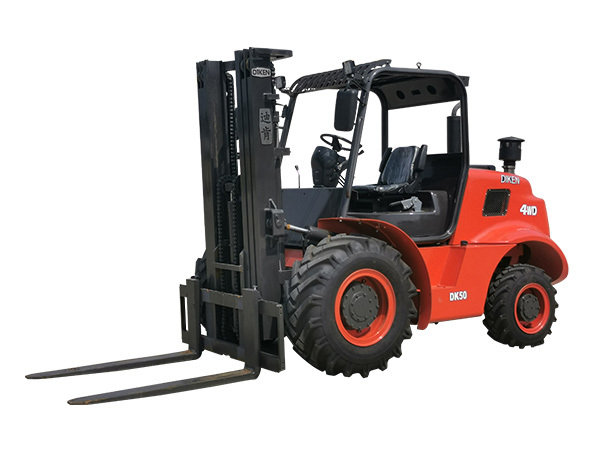
Understanding the mechanics of rough terrain forklifts is essential for optimizing their use. These forklifts typically feature larger, more durable tires and higher ground clearance compared to standard forklifts. They often employ four-wheel drive systems that enhance traction and stability, enabling them to navigate steep inclines and rough terrain with ease.
Engine Power and Performance
Most rough terrain forklifts are equipped with powerful diesel engines designed to deliver exceptional torque and horsepower. This power allows them to handle significant loads while maintaining stability on uneven surfaces.
Hydraulic Systems
The hydraulic systems of rough terrain forklifts enable operators to lift and lower loads efficiently. Advanced hydraulic technology ensures precise control over lifting, contributing to safe and effective operations.
Key Features of Rough Terrain Forklifts
When selecting a rough terrain forklift for logistics operations, several key features should be considered:
All-Terrain Tires
These forklifts come with specially designed tires that provide traction on wet, muddy, or uneven surfaces. The tread pattern is engineered to enhance grip, ensuring safety while maneuvering across challenging terrains.
Adjustable Forks
Many rough terrain forklifts offer adjustable forks, which allow operators to customize the width based on the load being handled. This feature enhances versatility and productivity, making it easier to manage various goods.
Operator Comfort and Ergonomics
To optimize productivity, comfort is essential. Manufacturers design rough terrain forklifts with ergonomic seating, easy-to-access controls, and enhanced visibility to ensure operators can work efficiently and safely for extended periods.
Maximizing Productivity with Rough Terrain Forklifts
To truly harness the potential of rough terrain forklifts in logistics, organizations must implement strategic practices that maximize their productivity.
Efficient Movement in Challenging Conditions
Utilizing rough terrain forklifts allows for quick and efficient transportation of goods across challenging landscapes. By minimizing movement time, businesses can significantly improve their logistics efficiency.
Optimizing Loading and Unloading Processes
Rough terrain forklifts can deliver materials directly to job sites, reducing the need for additional transportation. This direct approach speeds up loading and unloading times, allowing for smoother operations.
Reducing Downtime and Operational Delays
With the capability to operate in adverse conditions, rough terrain forklifts reduce the likelihood of operational downtime due to inclement weather or difficult ground conditions. This reliability is crucial for maintaining consistent productivity levels.
Preventative Maintenance
Regular maintenance is key to preventing breakdowns. Establishing a robust maintenance schedule ensures that rough terrain forklifts remain in optimal condition, minimizing the risk of unexpected delays.
Best Practices for Using Rough Terrain Forklifts in Logistics
To maximize the benefits of rough terrain forklifts, it is essential to implement best practices:
Train Operators Thoroughly
Competent operators are crucial for the safe and effective use of rough terrain forklifts. Providing comprehensive training ensures that operators understand the machinery's capabilities and limitations, leading to safer operations and increased productivity.
Conduct Regular Safety Inspections
Routine safety inspections can identify potential issues before they become significant problems. Checking hydraulic systems, brakes, and tire condition will ensure the forklift operates safely and efficiently.
Utilize Technology
Incorporating advanced technology, such as telematics and GPS tracking, can help monitor the performance of rough terrain forklifts. This data can inform maintenance schedules and operational efficiency, leading to better productivity outcomes.
Safety Measures When Operating Rough Terrain Forklifts
Safety must be a top priority when operating rough terrain forklifts. Implementing strict safety measures can prevent accidents and injuries.
Use Personal Protective Equipment (PPE)
Operators should wear appropriate PPE, including helmets, gloves, and safety boots. This gear can significantly reduce the risk of injury in case of an accident.
Establish Clear Communication
Clear lines of communication between operators and ground personnel can prevent misunderstandings and accidents. Utilize hand signals or radios to maintain effective communication during operations.
The Future of Rough Terrain Forklifts in Logistics
As industries evolve, so too does the technology and functionality of rough terrain forklifts. The future may see advancements in electric rough terrain forklifts, reducing emissions and operating costs while maintaining the versatility and power required for challenging environments.
Emphasis on Sustainability
With an increasing focus on sustainability, the development of eco-friendly rough terrain forklifts will likely play a significant role in the future of logistics. This shift will not only reduce the environmental impact but also appeal to companies looking to enhance their corporate responsibility.
FAQs about Rough Terrain Forklifts
1. What is a rough terrain forklift?
A rough terrain forklift is a specialized type of forklift designed to operate efficiently in challenging outdoor environments, such as construction sites or uneven landscapes.
2. Can rough terrain forklifts be used indoors?
While rough terrain forklifts are primarily designed for outdoor use, they may be used indoors if the area is spacious enough and the surfaces support their operation.
3. How much weight can a rough terrain forklift lift?
Rough terrain forklifts typically have lifting capacities ranging from 5,000 to 15,000 pounds, depending on the model and specifications.
4. What are the key safety features in rough terrain forklifts?
Key safety features may include stability systems, operator protective structures (OPS), and advanced braking systems to prevent accidents during operation.
5. How often should rough terrain forklifts be maintained?
Regular maintenance schedules should be established based on the manufacturer's recommendations, typically involving inspections every 100 hours of operation and more comprehensive checks every 250 hours.
Conclusion
In the ever-evolving logistics landscape, **rough terrain forklifts** stand out as vital assets that can significantly enhance productivity. By understanding their unique advantages and implementing best practices, businesses can optimize their operations, ensuring that they thrive even in the most challenging conditions. With a commitment to safety and efficiency, the journey toward maximizing productivity with rough terrain forklifts is not just possible but achievable.
Keywords: rough terrain forklift



Shandong Diken Heavy Industry Co., Ltd. is a professional manufacturer of cross-country material handling equipment in China. We are located in Shandong Province, China, specializing in the manufacture of handling and loading equipment suitable for agriculture
Contact Information
Starting from the west section of Taishan Street, Daiyue District, Tai'an City, Shandong Province
Business license