





Diken news
Maximizing Efficiency with Off-Road Forklifts: A Guide for Automotive Professionals
Release time: 2025-12-20
---
Off-road forklifts are specialized vehicles designed to operate in rugged terrains where traditional forklifts may struggle. In the automotive industry, particularly in the realm of off-road and recreational vehicles, these forklifts play a crucial role in various operations, from loading and unloading heavy components to transporting materials across uneven surfaces.
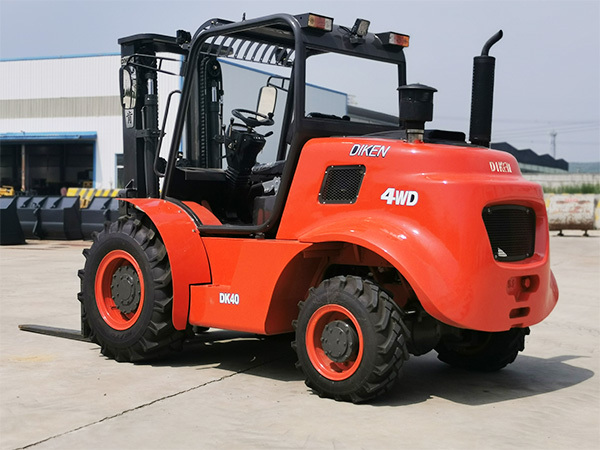
One of the most significant advantages of off-road forklifts is their robust construction. Equipped with large, rugged tires and enhanced suspension systems, these forklifts can navigate through mud, gravel, and rough landscapes with ease. This capability is particularly beneficial in environments where traditional forklifts would become immobilized, ensuring that operations continue smoothly even in adverse conditions.
When considering an off-road forklift for your operations, it's important to evaluate several key features. Firstly, lifting capacity is crucial—off-road forklifts typically have a higher load capacity that allows them to handle heavy components, which is essential for automotive manufacturers and suppliers. Additionally, the stability of the forklift plays a significant role in ensuring safety and efficiency. Many off-road models come with a wider base and advanced stability technology, reducing the risk of tipping over when navigating sloped or uneven surfaces.
Another important aspect to consider is the power source of the forklift. While many off-road forklifts are powered by diesel engines, electric models are becoming increasingly popular due to their lower emissions and reduced noise levels. This is particularly relevant in urban environments or areas where environmental regulations are strict. Operators should assess which power source best suits their operational needs and environmental considerations.
In terms of maintenance, off-road forklifts often require a different approach compared to their on-road counterparts. The harsh conditions they operate in can lead to quicker wear and tear, making regular inspections and maintenance essential. It's advisable to establish a routine maintenance schedule to ensure that the forklifts remain in optimal condition, thereby extending their lifespan and maintaining safety standards.
Training for operators is also critical. Given the unique challenges posed by off-road environments, it's vital to provide comprehensive training for personnel who will be operating these forklifts. Understanding the specific controls, stability considerations, and terrain navigation techniques will not only enhance safety but also improve overall productivity.
In conclusion, off-road forklifts are indispensable assets in the automotive and off-road vehicle industry, allowing for efficient material handling in challenging environments. By focusing on the right features, maintenance practices, and operator training, businesses can significantly enhance their operational efficiency and safety in any terrain. Investing in the right off-road forklift can lead to improved productivity and smoother operations, ultimately benefiting the bottom line.
Off-road forklifts are specialized vehicles designed to operate in rugged terrains where traditional forklifts may struggle. In the automotive industry, particularly in the realm of off-road and recreational vehicles, these forklifts play a crucial role in various operations, from loading and unloading heavy components to transporting materials across uneven surfaces.
One of the most significant advantages of off-road forklifts is their robust construction. Equipped with large, rugged tires and enhanced suspension systems, these forklifts can navigate through mud, gravel, and rough landscapes with ease. This capability is particularly beneficial in environments where traditional forklifts would become immobilized, ensuring that operations continue smoothly even in adverse conditions.
When considering an off-road forklift for your operations, it's important to evaluate several key features. Firstly, lifting capacity is crucial—off-road forklifts typically have a higher load capacity that allows them to handle heavy components, which is essential for automotive manufacturers and suppliers. Additionally, the stability of the forklift plays a significant role in ensuring safety and efficiency. Many off-road models come with a wider base and advanced stability technology, reducing the risk of tipping over when navigating sloped or uneven surfaces.
Another important aspect to consider is the power source of the forklift. While many off-road forklifts are powered by diesel engines, electric models are becoming increasingly popular due to their lower emissions and reduced noise levels. This is particularly relevant in urban environments or areas where environmental regulations are strict. Operators should assess which power source best suits their operational needs and environmental considerations.
In terms of maintenance, off-road forklifts often require a different approach compared to their on-road counterparts. The harsh conditions they operate in can lead to quicker wear and tear, making regular inspections and maintenance essential. It's advisable to establish a routine maintenance schedule to ensure that the forklifts remain in optimal condition, thereby extending their lifespan and maintaining safety standards.
Training for operators is also critical. Given the unique challenges posed by off-road environments, it's vital to provide comprehensive training for personnel who will be operating these forklifts. Understanding the specific controls, stability considerations, and terrain navigation techniques will not only enhance safety but also improve overall productivity.
In conclusion, off-road forklifts are indispensable assets in the automotive and off-road vehicle industry, allowing for efficient material handling in challenging environments. By focusing on the right features, maintenance practices, and operator training, businesses can significantly enhance their operational efficiency and safety in any terrain. Investing in the right off-road forklift can lead to improved productivity and smoother operations, ultimately benefiting the bottom line.
Keywords: off road forklift



Shandong Diken Heavy Industry Co., Ltd. is a professional manufacturer of cross-country material handling equipment in China. We are located in Shandong Province, China, specializing in the manufacture of handling and loading equipment suitable for agriculture
Contact Information
Starting from the west section of Taishan Street, Daiyue District, Tai'an City, Shandong Province
Business license